Trump and Hegseth Say They Were Unaware of Follow‑Up Strike That Killed Survivors on Suspected Drug Boat
WASHINGTON — President Donald Trump and Defense Secretary Pete Hegseth publicly distanced themselves from a controversial follow‑up military strike on a suspected drug‑smuggling vessel in the Caribbean, saying they were not consulted and did not know the follow‑on attack occurred, a sequence that has prompted congressional inquiries, legal questions and calls for a formal accounting of the operational chain of command.
What the reporting alleges and what remains unverified
Published reports in late November described a two‑stage operation in which an initial strike on a suspected drug boat left survivors in the water or clinging to wreckage, followed by a second strike that killed those survivors. The accounts attributed the decision for the follow‑up strike to senior civilian direction at the Pentagon, and one report quoted anonymous sources saying a directive to “kill everybody” was issued prior to the second attack. That specific phrasing and the attribution to a named official are based on anonymous sourcing in the reporting and therefore cannot be confirmed from an on‑the‑record primary document.
Officials in the administration have acknowledged the broader campaign of strikes on suspected drug vessels but have disputed the characterization that senior leaders ordered a follow‑up to kill survivors. The discrepancy between published accounts and public denials has created a factual gap that oversight bodies in Congress have signaled they intend to close through document requests and hearings. Until primary documents or on‑the‑record testimony are produced, key elements of the allegation, including the exact wording of any order and the identity of the decision‑maker, remain unverified.
Public denials and the administration’s account
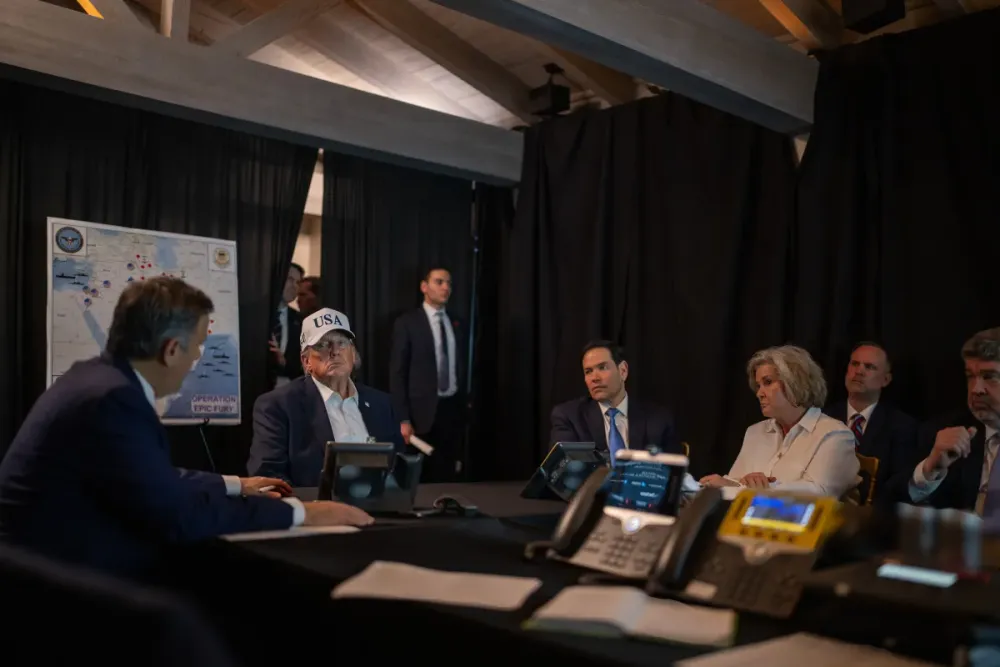
At a public Cabinet meeting, the president said he had not been consulted about the follow‑up strike and that he had not been fully briefed on the circumstances surrounding the operation. The defense secretary likewise said he did not see survivors before the second strike and described the situation as subject to the “fog of war,” while rejecting characterizations that he ordered unlawful action. Both officials framed their remarks as a defense of the broader counter‑narcotics campaign while denying personal responsibility for the contested tactical decision.
Those denials are on the public record and form the administration’s official posture. They have not, however, resolved the factual dispute because they do not address the underlying operational record: who issued the specific targeting directive, what intelligence or legal advice supported the decision, and whether the strike complied with applicable rules of engagement and international humanitarian law. The administration’s statements therefore shift the debate from whether a follow‑up strike occurred to who authorized it and whether the authorization met legal and policy standards.
Legal and oversight questions
Legal experts and lawmakers have raised immediate questions about the legality of a follow‑up strike that targets survivors of an initial attack. Under the law of armed conflict, persons who are hors de combat — wounded, shipwrecked, or otherwise out of the fight — are protected from attack. If survivors were intentionally targeted after being rendered incapable of resisting, that fact would raise serious legal concerns and could trigger criminal and civil accountability mechanisms.
Congressional committees have signaled they will seek classified and unclassified records, including operational orders, targeting packages, legal memoranda, and video or sensor footage. Those records are central to determining whether the operation complied with domestic law, international obligations, and the administration’s own rules of engagement. The existence of a formal legal justification or a documented chain of command decision would be a critical piece of evidence for both legal review and public accountability.
Operational and command‑and‑control implications
Beyond legal questions, the episode highlights operational issues about how lethal targeting decisions are made in counter‑narcotics campaigns that operate in maritime and littoral environments. Modern targeting often involves a mix of tactical commanders, regional combatant commands, interagency partners, and civilian oversight. Clarity about who has authority to approve follow‑on strikes, and under what conditions, is essential to prevent miscommunication and to ensure compliance with policy.
The contested account also raises questions about intelligence collection and battle damage assessment. Accurate, timely assessment of whether individuals remain combatants or have been rendered hors de combat depends on sensor fidelity, human observation, and rapid legal review. If assessments are incomplete or misinterpreted, the risk of unlawful strikes increases. The episode may prompt a review of procedures for confirming the status of survivors and for documenting the basis for lethal force in maritime interdiction operations.
Political fallout and likely next steps
Politically, the controversy has created pressure on the administration from multiple directions. Some lawmakers have demanded immediate briefings and the release of evidence; others have called for restraint and for a full, nonpartisan investigation before drawing conclusions. The dispute has the potential to erode public support for the broader campaign if it is perceived as lacking transparency or legal rigor, and it could complicate cooperation with regional partners who are sensitive to civilian harm and legal norms.
Practically, the most likely near‑term developments include formal oversight requests from congressional committees, potential subpoenas for classified materials, and calls for an independent review by the inspector general or a special counsel. Military leaders may also conduct internal after‑action reviews to assess procedural failures and to recommend changes to targeting protocols. The administration’s willingness to provide access to classified materials and to cooperate with oversight will be a key determinant of whether the controversy is resolved through documentation or escalates into prolonged political and legal conflict.
Broader implications for counter‑narcotics and use of force policy
The episode underscores the tension between aggressive operational approaches to transnational criminal networks and the legal and ethical constraints that govern the use of lethal force. Counter‑narcotics operations that employ kinetic strikes carry inherent risks of civilian harm and legal exposure, particularly when conducted in complex maritime environments. Policymakers must weigh the operational benefits of disrupting trafficking networks against the reputational and legal costs of actions that may violate domestic or international law.
Longer term, the controversy could prompt a reassessment of policy tools used in the region, including the balance between interdiction, law enforcement cooperation, and capacity building. It may also influence debates about the appropriate role of military force in addressing transnational crime and about the safeguards necessary to ensure accountability. For now, the central factual questions remain unresolved, and the coming weeks of oversight and potential disclosure will determine whether the public record can close the gap between published allegations and official denials.
Written by Nick Ravenshade for NENC Media Group, original article and analysis.
Sources: CNN, The Washington Post, NBC News, ABC News, Al Jazeera, PBS NewsHour, USA Today.
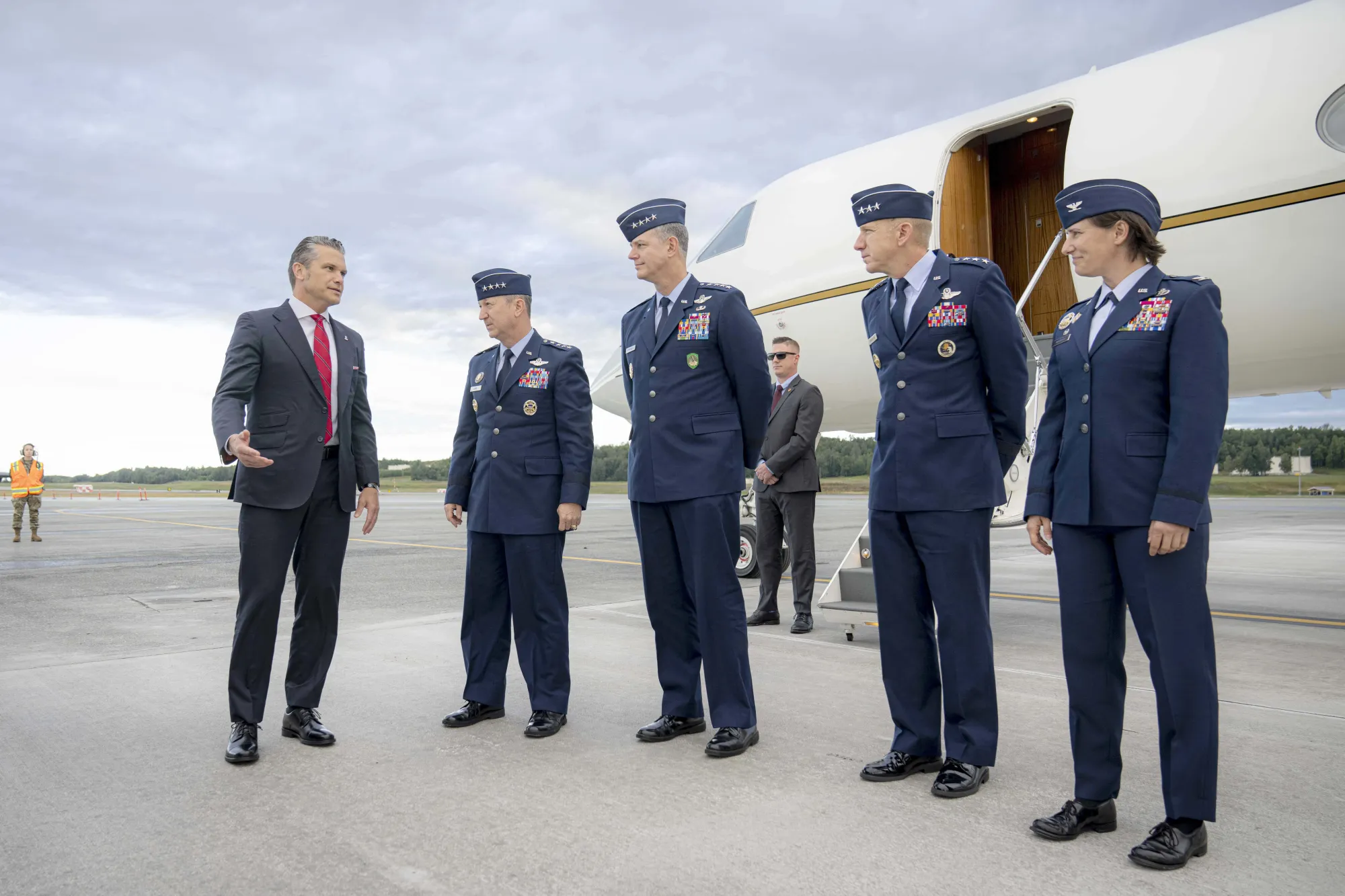
Photo: Benjamin D. Applebaum, DOD, Alaska Arrival, Public Domain, via U.S. Department of War
Author

Nick Ravenshade, LL.B., covers geopolitics, financial markets, and international security through primary documents, official filings, and open-source intelligence. Founder and Editor-in-Chief of NENC Media Group and WarCommons.
Sign up for NENC Now newsletters.
Stay up to date with curated collection of our top stories.