KYIV — U.S.-brokered talks aimed at ending Russia’s nearly four-year invasion of Ukraine ended in Abu Dhabi without a peace deal after a massive overnight Russian bombardment knocked out power to more than a million Ukrainians and killed at least one person as of 24 January 2026. Delegations from Ukraine and Russia held two days of trilateral discussions with U.S. mediators in the United Arab Emirates capital, described by participants as substantive and direct but ultimately inconclusive on core issues such as territory and security guarantees. Officials on all sides signaled openness to further meetings as early as next week, yet the timing and scale of the strikes hardened perceptions in Kyiv that Moscow is using negotiations tactically while continuing to prosecute the war by military means.
Talks end without agreement but channels stay open
The Abu Dhabi meetings marked the first publicly acknowledged U.S.-mediated talks involving both Russian and Ukrainian officials since the early months of the full-scale invasion in 2022. Over two days, negotiators focused on what participants described as outstanding elements of a U.S.-proposed peace framework, including the future status of Russian-occupied territories, security arrangements for Ukraine and phased measures to reduce frontline violence. Statements released after the talks confirmed that no overarching peace accord or ceasefire had been reached, but noted that delegations would now report back to their capitals and consult leaders on next steps.
A spokesperson for Ukraine’s chief negotiator said the discussions had covered parameters for ending the war and the “further logic of the negotiation process,” language that underscored how far talks remain from a final settlement. A UAE government representative described the atmosphere as constructive and positive and confirmed that there was rare face-to-face engagement between Russian and Ukrainian officials on key aspects of the U.S. plan. The host nation emphasized confidence-building measures as one focus of the talks, though officials offered few specifics on what practical steps had been agreed beyond a shared commitment to consider future meetings.
Overnight strikes knock out power and test public patience
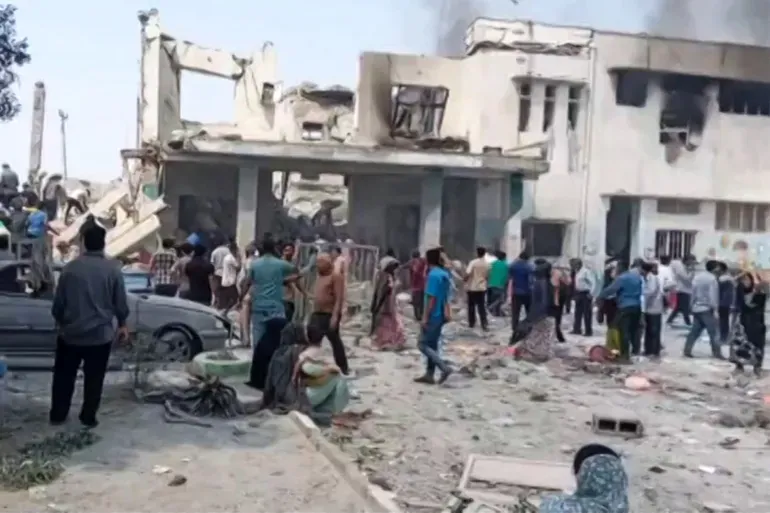
As negotiators gathered in Abu Dhabi, Russia launched one of its largest combined drone and missile barrages in weeks against Kyiv and the eastern city of Kharkiv, targeting energy infrastructure and residential areas in below-freezing temperatures. Ukraine’s air force said Russian forces fired 375 drones and 21 missiles in the overnight attack, knocking out power and heating for large swathes of the capital and leaving hundreds of thousands of residents without electricity amid winter cold of around minus 10 degrees Celsius. Local authorities in Kyiv reported at least one person killed and more than 20 injured, while officials in Kharkiv said dozens were hurt after strikes ignited fires and damaged multi-storey buildings.
The bombardment prompted thousands of civilians to shelter in metro stations during the night and intensified pressure on air defense networks already stretched by earlier waves of attacks this month. Ukraine’s foreign minister condemned what he called a barbaric assault, arguing that the strikes hit not only civilians and infrastructure but also the negotiation process itself. The United Nations human rights chief said targeting civilians and critical infrastructure violates the rules of war, adding a legal dimension to concerns that the timing of the attacks undermined trust in Russia’s professed interest in a negotiated solution.
Sticking points: territory, security guarantees and sequencing
Substantively, the talks ran up against long-standing divergences over territory and security architecture. Moscow has insisted that any deal must recognize its claims over four eastern and southern regions it has declared annexed, even though it does not fully control them militarily, while Kyiv has repeatedly stated that it will not accept territorial concessions that legitimize the invasion. These opposing positions narrow the space for compromise, especially on questions such as referendums, demilitarized zones or international administration of contested areas.
Security guarantees form the second major fault line. Ukrainian officials have sought robust, binding assurances from Western partners to deter future attacks, pointing to past experiences in which political assurances proved insufficient to prevent escalation. Russian representatives, for their part, have pushed for limitations on Ukraine’s future military posture and external security ties, including restrictions on certain weapons systems and deployments. How to sequence any ceasefire, withdrawal, verification mechanisms and sanctions relief remains unresolved, and diplomats note that these technical issues sit atop deeper mistrust shaped by nearly four years of high-intensity conflict.
U.S. mediation and European unease
Washington’s role as mediator reflects both its centrality to Ukraine’s war effort and its broader strategic interest in containing the conflict while managing relations with allies and competitors. U.S. officials have framed the Abu Dhabi talks as part of a sustained effort to turn battlefield dynamics into a political process that can eventually produce a durable settlement, even as they maintain military and economic support for Kyiv. In recent public remarks, senior U.S. figures have acknowledged deep personal animosity between the Russian and Ukrainian presidents, while expressing cautious optimism that both sides still see value in exploring a deal.
European governments, however, have voiced concern that they have been sidelined in the latest round of diplomacy despite bearing significant economic and security risks from the conflict. Officials in frontline states argue that any agreement that leaves Russia with effective control over occupied territories could embolden future aggression, both against Ukraine and potentially other neighbors. Some European policymakers fear a scenario in which a ceasefire freezes lines in place without addressing underlying grievances, allowing Moscow to regroup and rearm while sanctions fatigue mounts in Western capitals. These tensions complicate efforts to align negotiation strategies among Kyiv’s backers, particularly if U.S. and European priorities diverge over time.
Humanitarian and energy impact of continued bombardment
Beyond immediate casualties, the latest strikes underscore the humanitarian and infrastructure costs of Russia’s campaign against Ukraine’s energy system. Since late 2023, Moscow has repeatedly targeted power plants, transmission lines and heating facilities, seeking to degrade Kyiv’s ability to maintain basic services and industrial output through winter. Each major wave of attacks forces emergency repairs, increases maintenance backlogs and strains the country’s financial resources, while leaving millions vulnerable to cold and disrupting hospitals, schools and transport.
Ukraine has responded by hardening critical infrastructure, dispersing assets and securing additional air defense systems from foreign partners, but officials concede that coverage remains incomplete and that large salvos can still overwhelm defenses in specific regions. International agencies warn that repeated outages undermine social resilience and increase displacement pressures, especially among vulnerable populations in frontline or heavily targeted areas. Energy-sector analysts add that sustained damage to generating capacity and grids complicates any future reconstruction and investment efforts, particularly if investors perceive ongoing security risks or uncertainty over territorial control.
Strategic outlook after Abu Dhabi
The breakdown of the Abu Dhabi talks without a deal, combined with the overnight bombardment, reinforces the view among many analysts that the conflict is likely to remain protracted even as diplomatic channels remain open. Both sides continue to signal that they are willing to keep talking, but their public red lines on territory, security and accountability for wartime actions leave limited room for swift breakthroughs. At the same time, battlefield dynamics, domestic politics and external pressures can shift quickly, potentially altering incentives to compromise or escalate.
For Ukraine, the challenge is to maintain military resilience and societal cohesion while negotiating under fire, ensuring that any future agreement preserves sovereignty and long-term security. For Russia, balancing military objectives with economic strain and international isolation will shape its willingness to accept limits on its gains or commit to verifiable arrangements. The United States and its partners must navigate between supporting Kyiv’s stated goals, managing escalation risks with Moscow and sustaining domestic backing for assistance as the war enters its fourth year. As of 24 January 2026, the immediate outcome is stalemate at the negotiating table and renewed suffering on the ground, underscoring the difficulty of translating high-profile diplomatic efforts into tangible relief for civilians living under bombardment.
Written by Nick Ravenshade for NENC Media Group, original article and analysis.
Sources: CNBC, The Straits Times, Sky News, Daily Sabah, ABC News Australia, CBC/Radio-Canada, Al Jazeera, Euronews, academic and policy research (Cambridge, De Gruyter, Taylor & Francis).
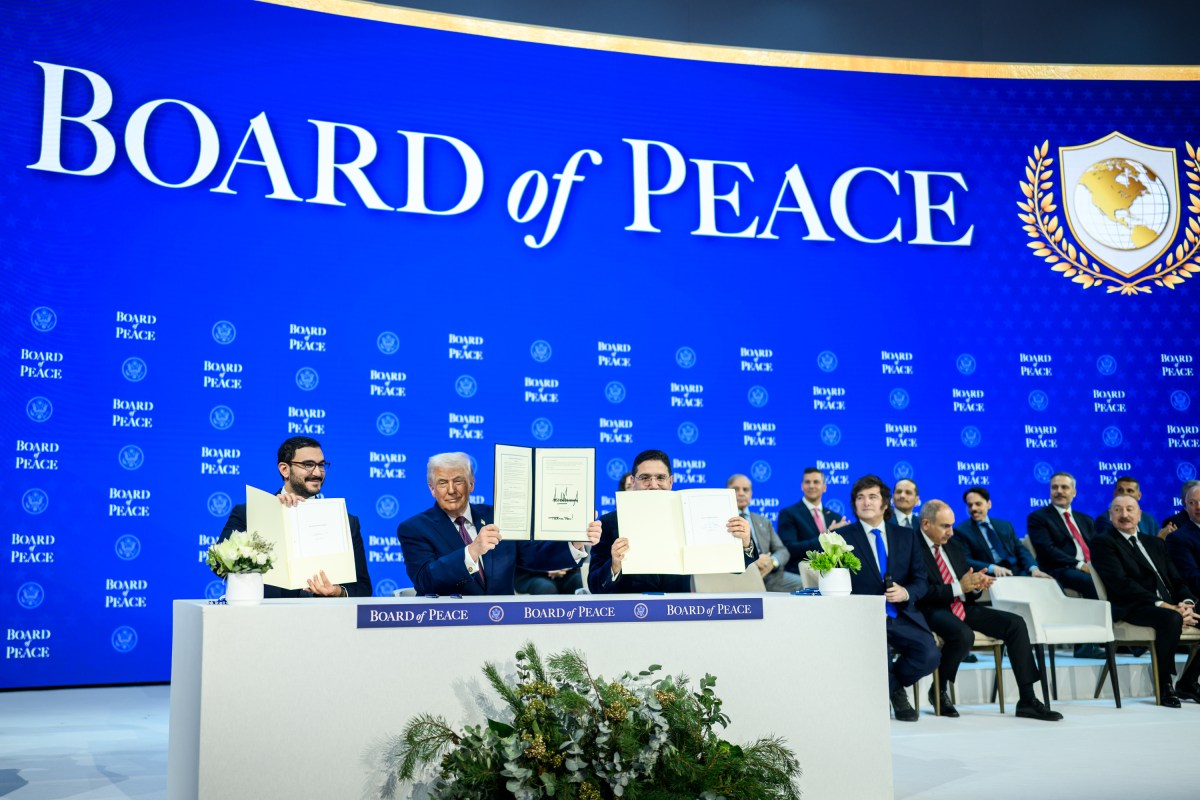
Photo: “Official WWhite House photograph” / Source: The White House, https://www.whitehouse.gov/wp-content/uploads/2026/01/p20260103mr-0819_55022162726_o.jpg, Retrieved 2026‑01‑24. No photographer credit listed; image provided as a United States Government work. Used with editorial attribution.
Author

Nick Ravenshade, LL.B., covers geopolitics, financial markets, and international security through primary documents, official filings, and open-source intelligence. Founder and Editor-in-Chief of NENC Media Group and WarCommons.
Sign up for NENC Now newsletters.
Stay up to date with curated collection of our top stories.