U.S. oversight intensifies after White House declines to detail threat posed by survivors of contested Caribbean boat strike

WASHINGTON — The White House on Monday deflected repeated questions about whether survivors of a September naval strike in the Caribbean posed an imminent threat to the United States, even as reporting over the weekend intensified scrutiny of the legal rationale and command decisions behind a controversial follow-on attack. Officials defended the broad policy of strikes against vessels the administration calls part of transnational criminal networks, but declined to provide a detailed public accounting of the tactical picture that led to the second engagement, a lack of clarity that has now prompted bipartisan oversight interest.
What the reporting says and what remains unclear
Published accounts describe a two-step operation: an initial strike that damaged or destroyed a small vessel identified by U.S. forces as engaged in illicit trafficking, and a subsequent engagement after people were seen in the water. The most contested detail reported by journalists and briefed sources is that the follow-on strike struck survivors who were clinging to wreckage; that factual claim is the hinge for whether the action can be justified under the narrow legal standards that permit lethal force outside declared armed conflict.
Those gaps in public detail matter because legal judgments turn on immediate facts: were those in the water capable of mounting further violence, did commanders have credible, corroborated intelligence that the wreckage or survivors posed a renewed and imminent threat, and were nonlethal alternatives feasible at the time. Observers and investigators will want to see sensor logs, video feeds and radio transcripts to determine what commanders actually knew in real time and whether after-action reporting and legal advice were documented contemporaneously.
The administration’s public posture
In public briefings, the administration has emphasized that senior commanders authorized the engagement and that officials believed the action fell within legal authority. Spokespeople described the operation as part of a campaign to disrupt networks that, the administration argues, threaten the homeland and trafficking routes. When pressed about whether survivors seen after the first strike were assessed to pose an imminent threat, White House aides repeatedly redirected reporters to the Department of Defense and otherwise declined to provide an operational timeline.
That stance—asserting legal authority without releasing granular operational facts—has not assuaged critics. Several lawmakers said an invocation of command authority is not the same as demonstrating compliance with domestic and international law, and they demanded classified briefings and documentary evidence. For oversight committees, the central question is whether commanders reasonably believed they were confronting a continuing danger or whether the follow-on action reflected a different calculus.
Lawmakers and legal experts lining up for answers
Committees that handle defense and intelligence oversight signaled immediate interest in obtaining legal memoranda, targeting packets and after-action reports. Some members called for hearings, and legislative leaders indicated that subpoenas could follow if key documents are not forthcoming. Bipartisan concern stems from the fact that the case, if substantiated in the way reported, would involve lethal force against persons who may have been rendered hors de combat—wounded or shipwrecked and therefore protected from attack under longstanding legal norms.
Legal scholars and former military counsel framed the dispute in stark terms. Under the law of armed conflict and related human-rights standards, killing persons who are no longer participating in hostilities is generally prohibited. The legal defense rests on whether the survivors were still participating in hostilities or presented an imminent threat; the counterargument is that the press-reported facts would not meet the threshold for lawful force and could expose personnel and commanders to disciplinary or criminal liability under domestic and international frameworks.
Regional, diplomatic and political consequences
Diplomatically, the controversy carries immediate risks. Governments in the region and families of the victims have demanded answers, and some foreign officials have warned that perceived extrajudicial killings could chill intelligence-sharing and operational cooperation. Effective counter-narcotics work depends on multinational coordination; if partners fear their assistance will be implicated in operations that kill noncombatants, they may impose tighter controls on what they supply.
At home, the episode lands in a politically fraught moment. Supporters of a muscular approach against traffickers argue decisive action is necessary to protect American communities; critics warn that loosening legal constraints invites unlawful conduct and costly diplomatic fallout. For the administration, defending a strategic posture while providing credible legal and operational justification for specific strikes is a narrow path—and how it is navigated will influence congressional appetite for reforms or restrictions on certain types of maritime lethal operations.
Oversight tracks and what to watch next
In the near term, three oversight tracks will shape the aftermath: classified briefings and document production to congressional committees; any internal Pentagon or Justice Department inquiries; and public disclosures that either clarify the operational facts or confirm that key details will remain classified. Investigators will seek underlying materials—sensor footage, targeting packets, radio logs and legal opinions—that can either substantiate claims of an ongoing imminent threat or corroborate assertions that the follow-on strike was otherwise justified.
Longer term, the episode will feed debates over doctrine for maritime operations against non-state actors, the safeguards required before resorting to lethal force in ambiguous settings, and the mechanisms by which democratic institutions hold the executive to account. Those debates will also influence training, rules of engagement and congressional oversight of special operations. Until the relevant records and legal memos are provided to oversight authorities or the public, the central disputes—whether survivors posed a continuing danger and why a second strike occurred—will determine whether the episode is judged a lawful use of force or an unlawful killing.
Scholars point to precedents where ambiguous targeting decisions produced policy changes, courtroom challenges and renewed training on the rules of engagement. Those historical lessons inform why many members of Congress are treating the matter as more than a narrow operational error: documented legal reasoning and contemporaneous evidence are indispensable to prevent abuse and to protect service members who carry out difficult missions.
Operationally, investigators will scrutinize the technology and sensor mosaic that commanders relied on—drones, manned aircraft feeds, satellite imagery and human reporting—and ask whether those inputs were corroborated in real time or whether a single, ambiguous feed drove a lethal decision. Modern maritime engagements are technically complex and fast-moving, but commanders are still obliged to seek the least harmful means of accomplishing lawful objectives where feasible.
Politically, a sustained oversight process could reshape how partners collaborate in the hemisphere. If regional governments or allied services conclude that their cooperation increased the risk of unintended civilian harm, they may curb information sharing or demand stricter legal assurances. That risk matters because dismantling networks frequently depends on the very multinational trust such an episode could erode.
Finally, the human dimension remains central. Families of those killed and communities in the affected regions will press for accountability, and human-rights groups are likely to pursue independent inquiries alongside official reviews. How the administration responds—by releasing documentary evidence, by facilitating robust oversight or by relying on classified processes—will determine whether the episode becomes a case study in lawful maritime counter-trafficking or a long-running international and legal controversy.
Written by Nick Ravenshade for NENC Media Group, original article and analysis.
Sources: The Washington Post, CNN Transcripts, Reuters, TIME, Just Security, Al Jazeera, The Guardian.
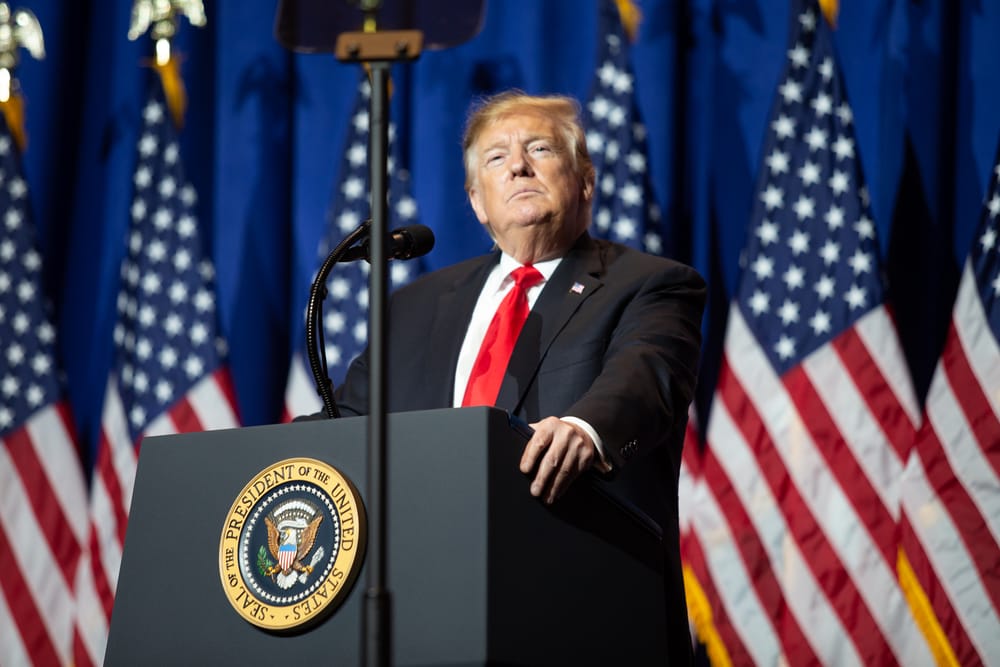
Photo: David Everett Strickler / Unsplash
Author

Nick Ravenshade, LL.B., covers geopolitics, financial markets, and international security through primary documents, official filings, and open-source intelligence. Founder and Editor-in-Chief of NENC Media Group and WarCommons.
Sign up for NENC Now newsletters.
Stay up to date with curated collection of our top stories.