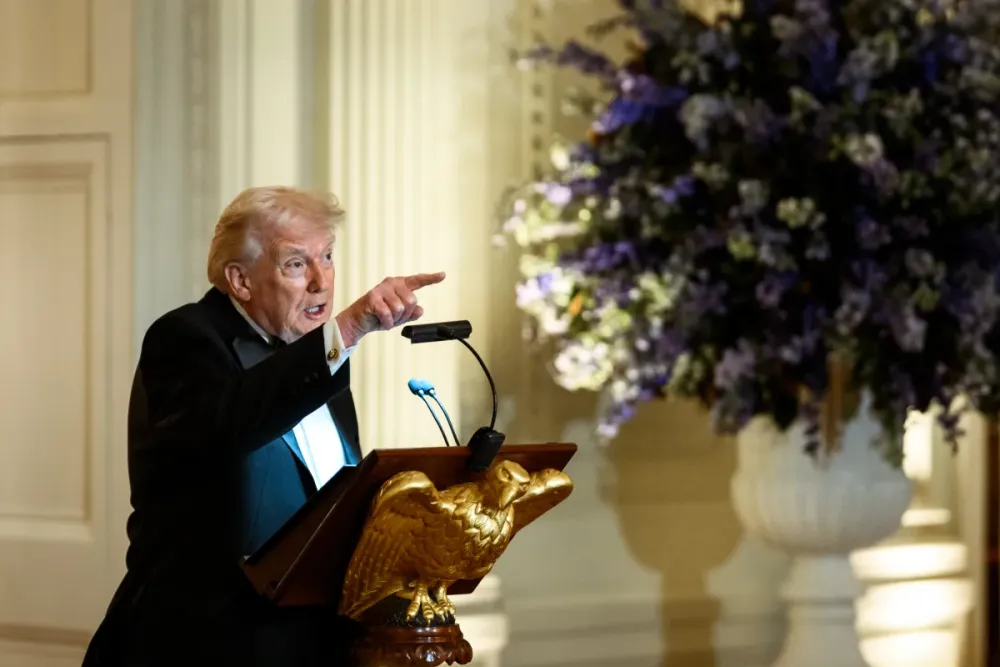
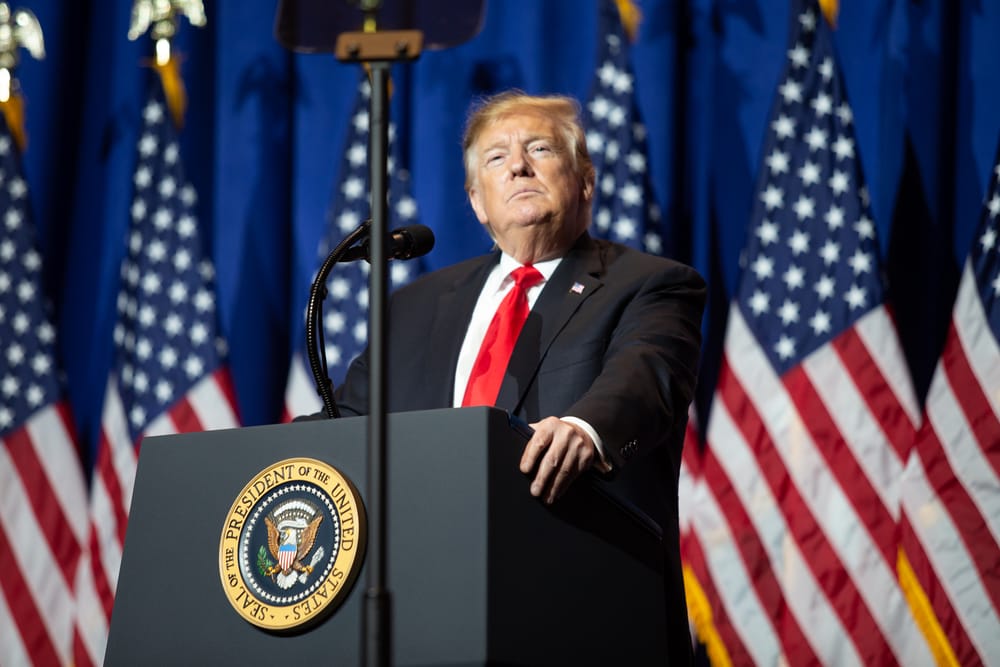
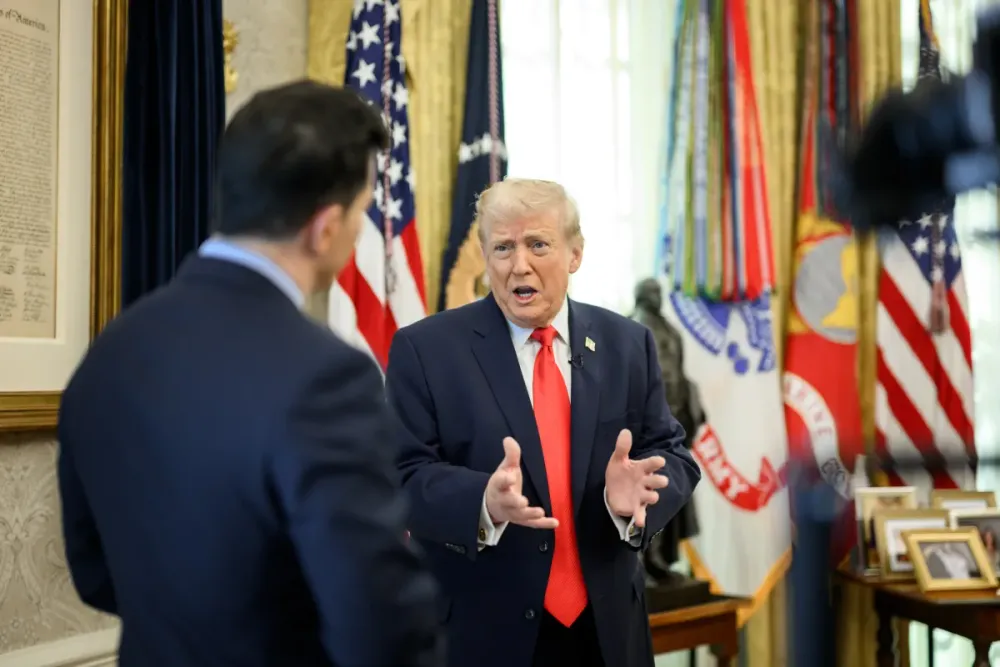
Voters delivered a sharp rebuke to President Donald Trump and his political allies in a series of high profile contests on Tuesday, handing Democrats a sweeping set of wins that crossed ideological lines and geographic boundaries. The results, which included a Democratic victory in New York Citys mayoral race and wins in gubernatorial contests in New Jersey and Virginia, signaled a renewed public appetite for Democratic leadership and raised fresh questions about the strength of Mr. Trumps influence over the Republican Party.
Across the map, candidates from the Democratic coalition prevailed in contests that tested different wings of the party. Moderate and pragmatic Democrats secured governorships while a progressive insurgent captured the mayoralty of the nation s largest city, producing a narrative of both breadth and depth for Democrats ahead of the 2026 midterm cycle. Exit polling and post election analysis suggested that voter concerns about the economy and governance, along with unease about Mr. Trumps conduct and direction, were central to the shift in outcomes.
A clear message to Washington
The Tuesday sweep was read by many strategists as a referendum not only on local issues but on the broader political climate shaped by the Trump White House. Although the president did not appear on ballots in these contests, his active efforts to elevate preferred candidates and to shape party orthodoxy made the elections a convenient gauge of his sway with voters. Defeats for candidates aligned with Mr. Trumps stylistic and policy approach were taken as evidence that nationwide frustration with Washington and with partisan rancor has sharpened into electoral consequences.
Campaign operatives from both parties emphasized that economic concerns were decisive in voters minds. Housing affordability, health costs and everyday household budgets featured prominently in precinct conversations, and Democratic campaign messaging that focused on practical solutions and governance competence appeared to resonate. At the same time, the tone and tactics of some Republican campaigns, including aggressive cultural appeals and a focus on national grievance, may have alienated persuadable suburban and independent voters who prioritized stability and pragmatic problem solving.
Diverse Democratic coalition shows strength
One of the most striking aspects of the nights results was the ideological diversity represented among the winners. In New York City a candidate from the progressive flank prevailed, drawing enthusiastic support from younger voters, labor groups and community activists. The victory underscored the continued ability of progressive energy to translate into electoral success in urban settings where demands for bold policy change and systemic reforms are high.
Simultaneously, in New Jersey and Virginia the electorate opted for more moderate Democratic candidates who emphasized managerial competence, bipartisan appeal and immediate policy fixes for pressing affordability issues. Those wins demonstrated that the Democratic Party s center of gravity remains pluralistic and that the party can win across different constituencies by tailoring messages to local priorities while maintaining a broader narrative about competent governance.
The political implications for the Trump era
For the Republican Party and for President Trump the election losses carry both immediate and longer term implications. In the near term they weaken the argument that Mr. Trumps endorsement alone is an infallible path to victory, a claim that had animated Republican primary politics and influenced strategic calculations. The defeats suggest that endorsements without a grounded local appeal or without candidates who can bridge partisan divides will not guarantee success.
Longer term the results are likely to affect how national Republican operatives allocate resources and craft messages. There may be a recalibration toward more locally grounded campaigning and a recognition that full reliance on the nationalistic and combative themes of the Trump era carries risks in contested suburban and urban markets. For Mr. Trump the losses complicate efforts to shape the next generation of Republican leadership and to maintain a narrative of inevitability heading into 2026.
Voter turnout and demographic patterns
Turnout patterns from Tuesday s contests highlighted the continuing importance of mobilization and persuasion. Urban centers showed strong engagement among younger and more diverse electorates, while suburban turnout reflected a mix of longtime residents frustrated by cost pressures and swing voters sensitive to tone and competence. Analysts who examined exit data pointed to shifts among independent voters and disaffected moderate Republicans toward Democratic candidates who emphasized pragmatic plans for economic relief and local governance.
The nights results also highlighted the potency of local issues. While national themes provided the backdrop, each contest turned on specifics: housing and public services in cities, education and transportation in the suburbs, and tangible cost of living concerns in battleground states. That localized character of voters priorities rewarded candidates who offered clear, implementable proposals rather than broad ideological manifestos.
What winners say and what voters expect
In victory speeches Democratic winners struck a unifying tone, promising to deliver on practical reforms while appealing for cooperation across party lines. They framed the wins not as an endorsement of ideology but as a mandate for effective governance and accountability. The message to voters was that elected leaders would focus on immediate problems while also pursuing longer term investments in infrastructure, climate resilience and equitable economic growth.
Voters who backed the Democratic slate articulated expectations that were concrete and immediate. Many said they wanted action on housing affordability, on healthcare costs and on public safety that respects civil liberties while protecting communities. There was also an emphasis on transparency and ethical governance, reflecting a broader public fatigue with partisan theatrics and scandal.
Republican reactions and future strategy
Republican leaders confronted the losses with a mixture of introspection and rallying calls. Some party figures attributed defeats to campaign missteps and candidate weaknesses rather than to broader ideological failings. Others argued the party needed to refine its messaging to appeal to suburban and independent voters whose support is critical in competitive states.
Internal debates within the Republican coalition are likely to intensify. A central tension will revolve around whether to double down on the combative populist style that has energized the base or to pivot toward more traditional conservative themes that emphasize fiscal discipline, local governance and measured rhetoric. The choices made over the next year will influence candidate recruitment, fundraising and messaging strategies ahead of the midterms.
National fallout and the road to 2026
The Democratic sweep injects new momentum into the party as it prepares for the 2026 midterm cycle. Party strategists view Tuesdays results as both an affirmation of message discipline and a reminder of the importance of local organizing and candidate quality. For national Democrats the victories provide a narrative of resilience and a test case for whether a coalition of moderates and progressives can govern together while competing effectively in diverse electorates.
For the nation at large the election serves as a reminder that electoral moods can shift rapidly. Voters demonstrated a willingness to hold leaders accountable and to reward candidates who offer clear, pragmatic plans for pressing issues. The results also underscored how national political figures can influence local races while nevertheless being vulnerable to localized counter narratives and voter priorities.
Tuesdays elections offered a sizable political moment. Democrats emerged victorious across a spectrum of races that ranged from municipal leadership to statewide executive offices. The results reflected voter frustration with economic pressures and governance, and a broader skepticism toward the style and influence of President Trump. As parties digest the outcomes the focus will be on translating electoral success into effective governance and on refining strategies for the next electoral tests. For now the electorate has sent a clear message: competence and concrete solutions matter, and candidates who speak to the everyday concerns of voters can prevail even in a highly polarized political environment.
Written by Nick Ravenshade for NENC Media Group, original article and analysis.
Sources: CBS, ABC, CNBC, USA Today, Reuters
Photo: Kelly Sikkema / Unsplash
Author

Nick Ravenshade, LL.B., covers geopolitics, financial markets, and international security through primary documents, official filings, and open-source intelligence. Founder and Editor-in-Chief of NENC Media Group and WarCommons.
Sign up for NENC Now newsletters.
Stay up to date with curated collection of our top stories.