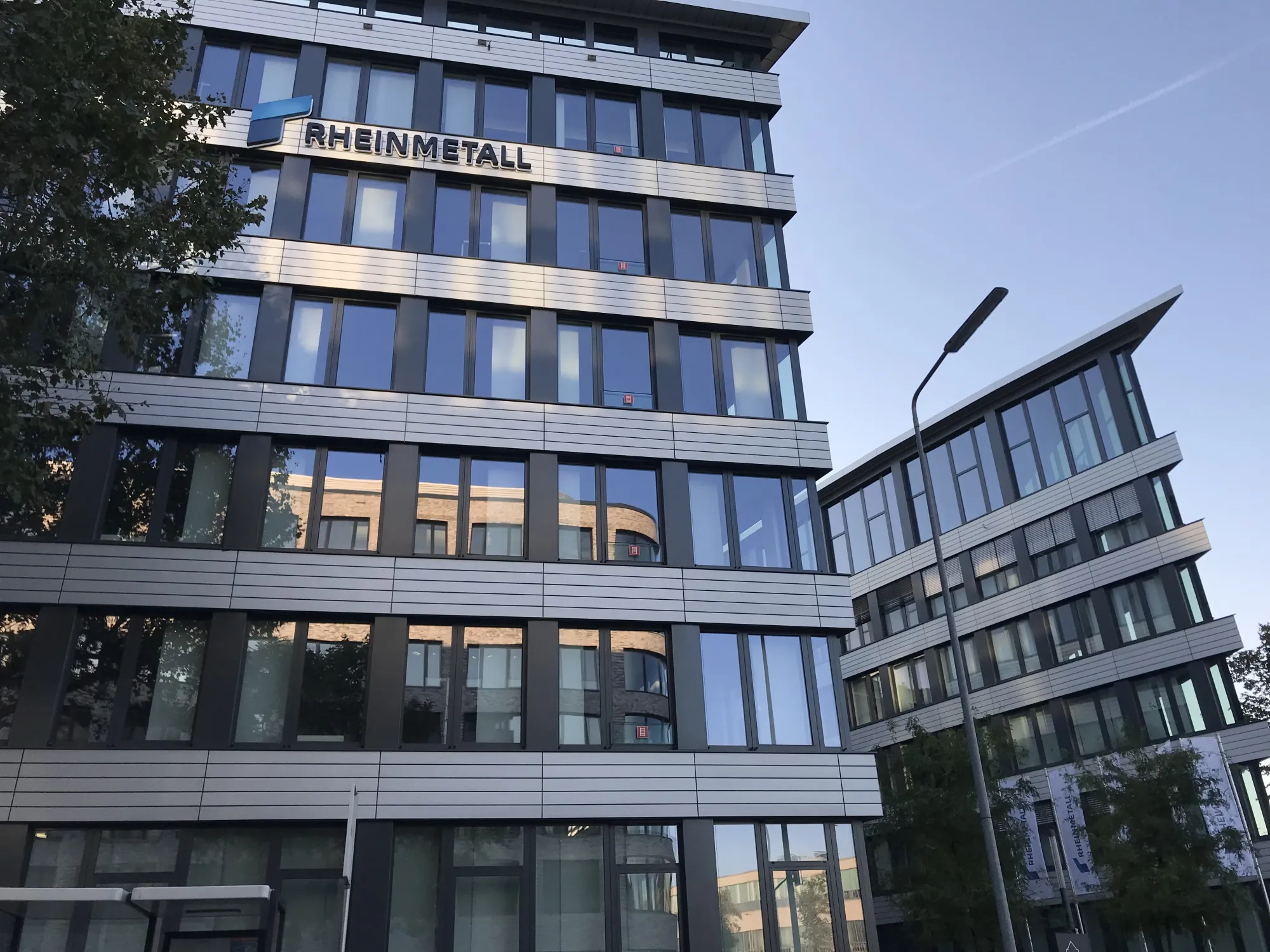
European equity markets lost ground on Thursday as a busy corporate reporting schedule kept investors on edge and sectoral dispersion widened across major bourses. Benchmarks in Frankfurt Paris and London finished lower after a session defined by mixed earnings news and cautious repositioning ahead of next week’s macro releases. One notable outlier was Rheinmetall which rose about two percent after reporting stronger than expected order momentum and reaffirming its outlook, drawing investor interest to defence and industrial names.
The mood soured as markets parsed a stream of quarterly updates that contained a range of outcomes from resilient top line performance to margin caution. Companies that beat consensus on revenue but offered conservative guidance found their shares punished as investors prioritized forward looking visibility over one off beats. At the same time firms that reported soft demand or flagged inventory build up saw larger declines, amplifying sector rotation. The result was a day of thinning breadth where a handful of winners contrasted with a broader roster of decliners.
Market participants described the session as a reminder that earnings season now functions as the primary arbiter of near term direction. With central bank commentary and a string of European economic releases on the horizon traders are treating corporate guidance and profit margins as critical lenses through which to view growth prospects. Where management teams signalled confidence about order books and pricing power cyclical sectors outperformed. Conversely where executives warned of cost pressure or weakening demand defensive sectors attracted flows.
Earnings mixed and the market reaction
Earnings headlines dominated the tape and highlighted an increasingly bifurcated corporate backdrop. Several large industrial and manufacturing firms reported solid revenue expansion driven by backlog conversion and stable aftermarket activity. Those companies tended to outperform as investors rewarded visible demand for capital goods and resilience in supply chains. In contrast consumer facing firms in discretionary categories displayed a more uneven picture with some retailers and leisure operators citing softer footfall and promotional pressure that compressed margins.
Rheinmetall’s results stood out. The German defence and automotive supplier reported robust order intake across key divisions and offered an upbeat near term view on production cadence and backlog conversion. Management emphasised the long lead nature of many military procurement programs and the stickiness of institutional demand which together supported revenue visibility. Investors also noted the company’s commentary on cost absorption and investment in capacity which suggested the firm can capitalise on sustained demand without immediate margin erosion.
Not all companies were so fortunate. A number of mid cap technology and specialty industrial firms disappointed on guidance as clients pushed out discretionary projects or adopted a wait and see stance ahead of budgeting cycles. That cautious posture contributed to declines in affected names and raised questions about the timing of any broad based recovery in corporate spending. Earnings season thus reinforced a narrative of selective strength rather than uniform improvement.
Sector dynamics and flows
The day’s sector moves reflected prudent re weighting by portfolio managers. Defence and industrials were clear beneficiaries of the positive reads on contracts and backlog, while semiconductors and specialist software stocks lagged after mixed updates on customer spending and project timelines. Banks were relatively muted as investors digested loan growth data and weighed the consequences of narrow rate expectations for net interest margins. Energy stocks underperformed modestly as commodity prices trimmed some near term profit expectations.
Flows into thematic and exchange traded products showed notable divergence. Investors added to vehicles tied to infrastructure and defence themes, reflecting conviction in recurring institutional demand and multi year procurement cycles. At the same time thematic funds focused on high growth technology experienced outflows as investors trimmed exposure to names exhibiting the highest valuation sensitivity. That pattern underscores the growing preference among asset allocators to harvest gains from concentrated winners and redeploy into more defensive or cyclically exposed assets that offer clearer earnings visibility.
Liquidity conditions were broadly normal but trading in certain mid cap names showed wider spreads and larger intraday swings. Market makers noted that concentrated positions in a handful of stocks can produce amplified moves when sentiment shifts during earnings windows. This dynamic was evident in several cases where stocks that initially rallied on headline beats faded as investors scrutinised the fine print of management commentary and longer term assumptions.
What to watch next and investor implications
Investors will be watching for follow through in the coming sessions as additional companies report and as economic data filters through the market. Key risk factors include further earnings disappointments that could trigger renewed sectoral weakness and macro prints that diverge from currently priced expectations. Of particular interest will be forward looking metrics such as order books capex intentions and pricing power statements which offer a clearer signal on sustainable earnings trajectories.
Macro releases scheduled for next week add another layer of potential volatility. Market participants will focus on purchasing managers indices and employment statistics across several European economies which together will inform views on demand momentum and wage trends. Central bank language from the European Central Bank and other regional authorities will be parsed for clues about the path of policy and the implications for corporate financing costs and consumer demand.
For portfolio managers the path forward is likely to emphasize selectivity. Companies with durable revenue streams visible order books and demonstrable pricing power are being favoured over names dependent on cyclical discretionary spending that may be more vulnerable to demand shifts. Risk managers are re examining exposure to highly concentrated holdings and considering execution risk when trimming positions in less liquid securities. For retail investors the message is similar. Earnings season highlights the value of focusing on fundamentals and avoiding a herd mentality that concentrates exposure in a narrow set of high momentum names.
The broader economic narrative remains mixed. While some sectors show signs of stabilization and better inventory management, the transition to broad based recovery requires multiple quarters of consistent improvement in demand and margins. Until then markets are likely to oscillate around incoming corporate news and macro prints, with leadership rotating as new evidence arrives.
European stocks lost ground on a day where earnings headlines created more dispersion than direction. Rheinmetall was a notable gainer after reporting encouraging order momentum and reaffirming its near term outlook. Across the market companies that offered clarity on demand and margin resilience were rewarded while those with cautious guidance faced selling pressure. With a heavy slate of corporate reports and key macro releases approaching investors will remain focused on forward looking signals as they determine whether today’s selective strength can broaden into a sustainable rally or whether volatility will continue to define trading sessions in the near term.
Written by Nick Ravenshade for NENC Media Group, original article and analysis.
Sources: Reuters, Bloomberg, XTB, MarketScreener, Rheinmetall investor relations.
Author

Nick Ravenshade, LL.B., covers geopolitics, financial markets, and international security through primary documents, official filings, and open-source intelligence. Founder and Editor-in-Chief of NENC Media Group and WarCommons.
Sign up for NENC Now newsletters.
Stay up to date with curated collection of our top stories.


