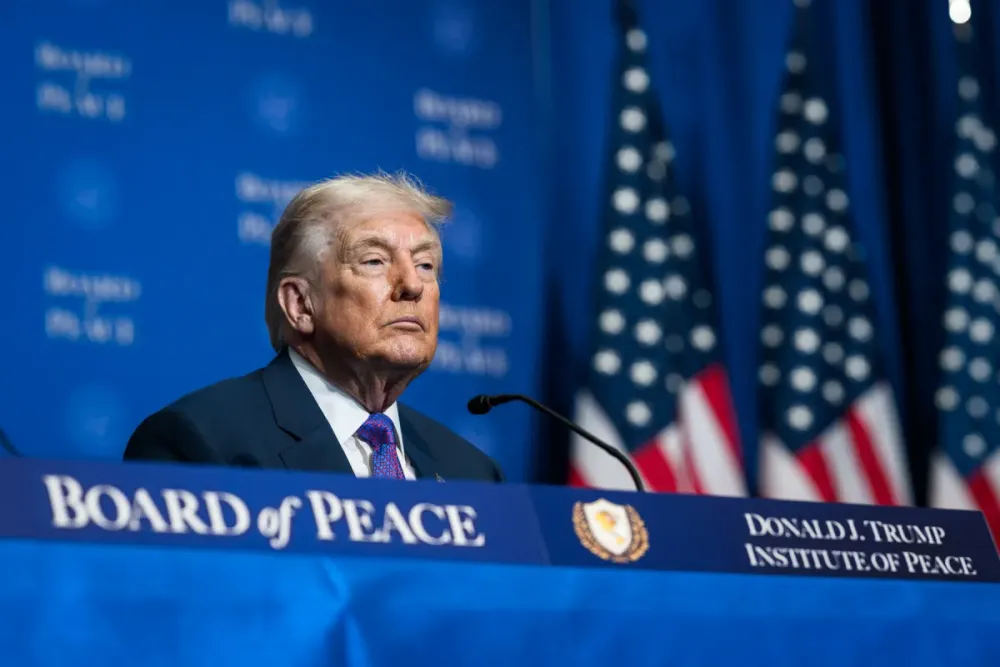
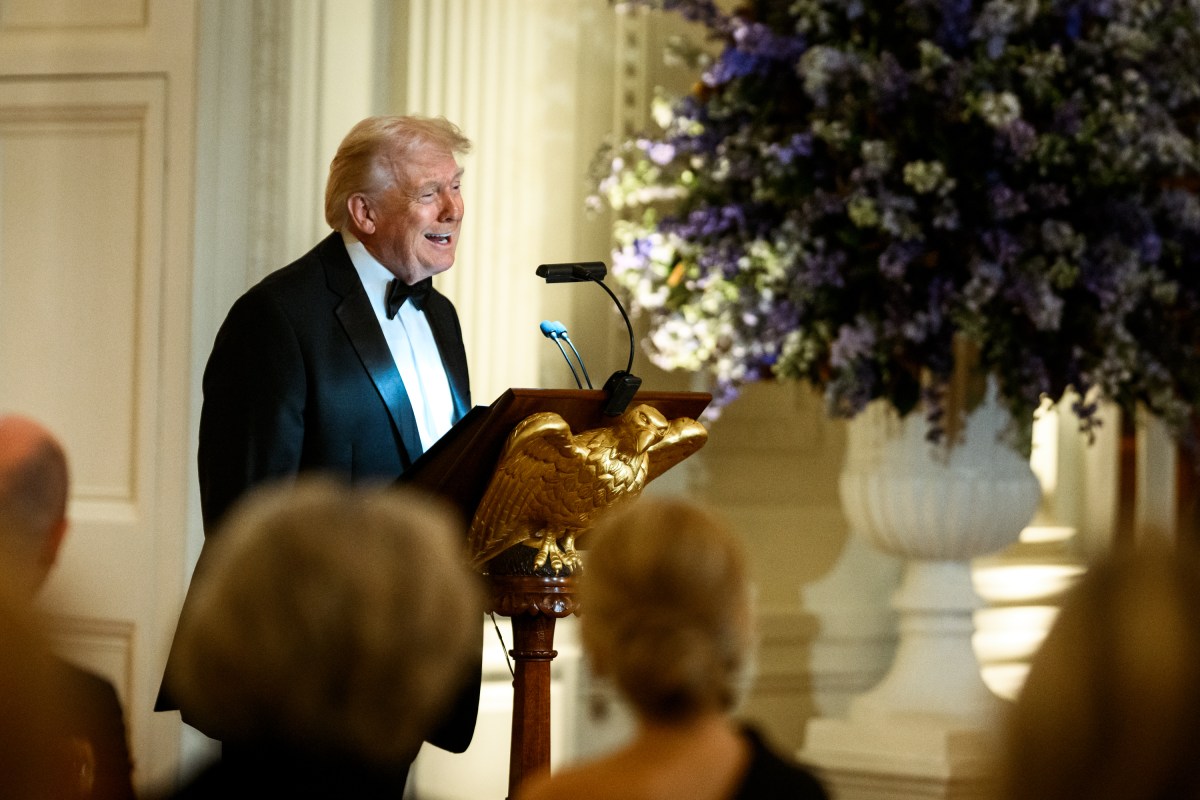
Geneva Nuclear Showdown: Trump's State of the Union Ultimatum Sets the Stage for Critical U.S.-Iran Talks Thursday
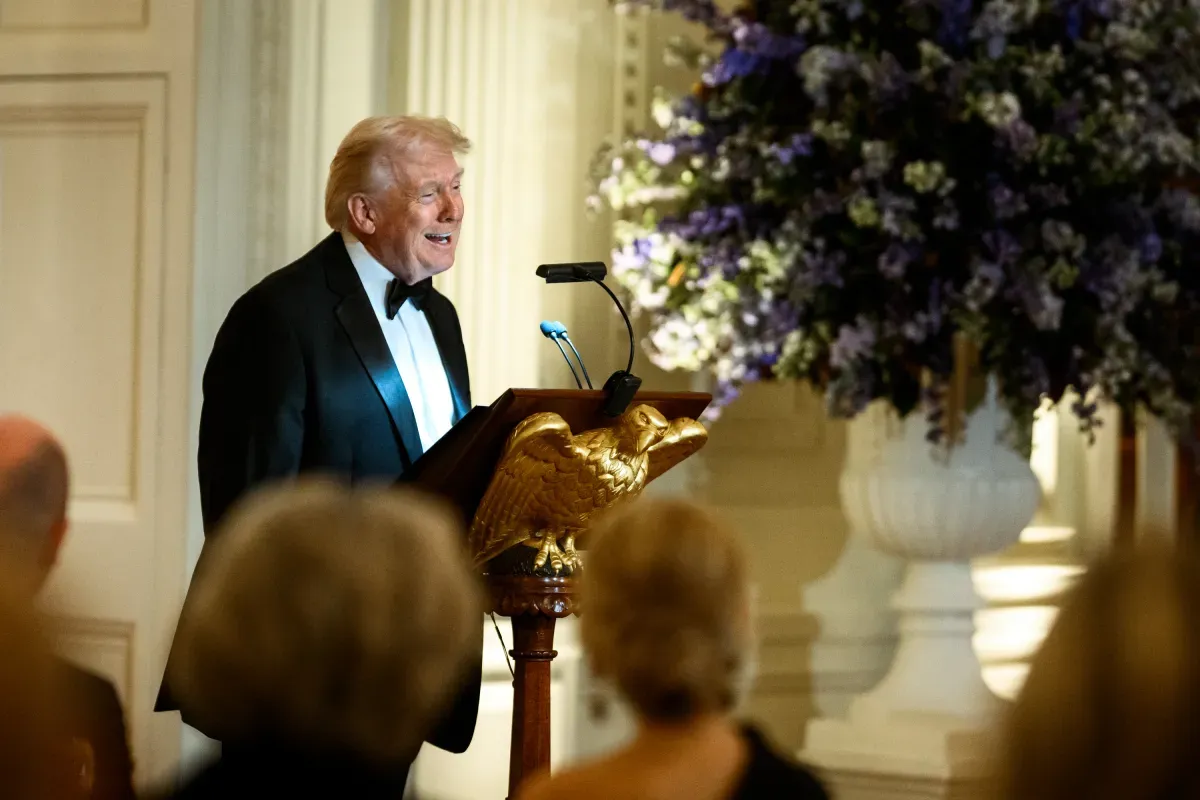
GENEVA — The third round of indirect nuclear negotiations between the United States and Iran is scheduled to convene in Switzerland this Thursday, hours after President Donald Trump used a nearly two-hour State of the Union address to draw a firm red line on Iran's nuclear ambitions and lay the rhetorical groundwork for military action if diplomacy fails.
Trump's address, delivered Tuesday to a joint session of Congress in what became the longest State of the Union in modern American history, blended explicit preference for a negotiated outcome with stark warnings of force. "My preference is to solve this problem through diplomacy," Trump told lawmakers, "but one thing is certain, I will never allow the world's number one sponsor of terror, which they are by far, to have a nuclear weapon." The speech arrived with added institutional weight: Secretary of State Marco Rubio and CIA Director John Ratcliffe briefed the congressional Gang of Eight on Iran in the hours before Trump took the podium, signaling that the administration regards the current moment as a genuine strategic inflection point. Senate Minority Leader Chuck Schumer, emerging from that classified session, said the situation was "serious" and that the administration needed to make its case to the American people.
The Road to Thursday: How the Talks Reached This Point
The current diplomatic process represents a restart of negotiations suspended in June 2025, when coordinated American and Israeli strikes targeted Iranian nuclear facilities, missile infrastructure, and senior regime figures. Talks resumed in early February 2026, following the gradual subsiding of large-scale anti-government protests inside Iran that had turned deadly on a mass scale. A first round was convened in Oman on February 6 with no visible narrowing of the core gaps between the parties, and a second round followed in Geneva on February 17 under Omani mediation.
After the February 17 session, a U.S. official described the discussions as having "made progress," while acknowledging that "there are still a lot of details to discuss." Iranian Foreign Minister Abbas Araghchi stated publicly that the two sides had agreed on "guiding principles" for a potential accord and committed to returning with detailed written proposals within approximately two weeks. Oman's Foreign Minister Badr al-Busaidi, the designated mediator for the process, confirmed Sunday that Thursday's third round would again take place in Geneva, with Araghchi expected to engage U.S. Special Envoy to the Middle East Steve Witkoff in proximity talks.
The Core Divide: Enrichment Remains the Fault Line
At the heart of the dispute is whether Iran will permanently dismantle its uranium enrichment infrastructure. Washington has demanded what analysts describe as a "zero enrichment" posture, a structural and permanent end to Iran's enrichment capability designed to foreclose any future pathway to a nuclear weapon. That position goes considerably further than the 2015 Joint Comprehensive Plan of Action, which Trump unilaterally withdrew from in 2018 on the grounds that its restrictions were temporary and fundamentally inadequate.
Tehran has offered a narrower concession. Iranian negotiators reportedly proposed suspending enrichment activities for three to five years, a window that would extend beyond Trump's current presidential term. Iran also indicated willingness to eliminate its stockpile of approximately 407 kilograms of uranium enriched to 60 percent purity, a level considered near-weapons-grade though below the 90 percent threshold required for a functional weapon. Araghchi has argued publicly, including in an extended interview on American television, that Iran retains a sovereign right to enrich under the Nuclear Non-Proliferation Treaty, a position Tehran has consistently maintained across multiple diplomatic cycles.
Iran maintains that its nuclear program is entirely civilian in nature and that enrichment activities have been suspended since the June 2025 strikes. However, the precise state of Iran's nuclear infrastructure remains unverifiable: Tehran has barred international inspectors from its facilities since the strikes, leaving assessments of damage and reconstitution to inference and intelligence analysis. Trump asserted during Tuesday's address that Iran is "again pursuing their sinister ambitions" and working to rebuild the program his administration described as "obliterated." Iran's Foreign Ministry issued a blunt denial Wednesday, with spokesman Esmaeil Baqaei characterizing the claim as part of a pattern of deliberate misrepresentation.
Military Posture: Leverage and Risk in Parallel
The diplomacy is unfolding against the backdrop of the largest American military presence assembled in the Middle East in decades. A second carrier strike group, centered on the USS Gerald Ford, was ordered to waters near Iran as the February 17 Geneva talks were underway. More than fifty combat aircraft, including F-35s, F-22s, and F-16s, were repositioned to Gulf bases within a 24-hour window surrounding that session, according to open-source flight tracking data and reporting from multiple international news organizations. The deployments represent what analysts at multiple institutions have characterized as a deliberate effort to intensify coercive pressure on Tehran.
Trump has made clear on multiple occasions that military action remains an option. On the Friday preceding his State of the Union, he told reporters he was "considering" limited strikes if Tehran failed to produce a deal within ten to fifteen days. During Tuesday's address, he escalated the threat further by referencing Iran's ballistic missile program, asserting that Iran "is working to build missiles that will soon reach the United States of America." That specific claim requires qualification: U.S. intelligence assessments widely cited by specialists assess that Iran's intercontinental ballistic missile capability, while under active development, likely remains at least a decade from operational deployment.
Witkoff, appearing on American television over the weekend, suggested Trump was puzzled that Iran had not "capitulated" given the scale of the military deployment. Iran's Foreign Ministry responded directly, with spokesman Baqaei stating that Iranians had never capitulated "at any point in their history" and that no negotiation built on "an imposed burden and prejudgement will naturally reach a result."
Protests, Politics, and Pressure on Both Governments
Inside Iran, the government is managing significant internal instability. Student demonstrations have resumed in Tehran and at least one other city, with protesters commemorating those killed in a government crackdown following nationwide protests that erupted in December 2025. The death toll from that crackdown has been reported by the U.S.-based Human Rights Activists News Agency at a minimum of 7,015 people, though this figure has not been independently corroborated and Iranian authorities have disrupted internet and international communications access in ways that make verification impossible. Iranian President Masoud Pezeshkian sought to project dual resolve on Sunday, writing on social media that negotiations had yielded "encouraging signals" while adding that Tehran has "made all necessary preparations for any potential scenario."
The Trump administration faces its own political pressures at home. A Supreme Court ruling issued days before the State of the Union struck down central elements of the administration's sweeping tariff strategy, complicating Trump's domestic economic narrative. Congressional Democrats, including Schumer, voiced concern after the classified Iran briefing that the administration might be heading toward conflict without adequate preparation of public opinion or formal congressional authorization.
What Thursday's Session Could Realistically Produce
The talks will again be conducted indirectly, with Araghchi and Witkoff not expected to meet face to face but rather to engage through Omani mediators. Given the documented distance between the parties on the enrichment question, a comprehensive agreement remains well beyond the horizon for this session. The more achievable outcome would be an exchange of formal written draft proposals, an agreed framework for subsequent discussions, and a confirmed date for a fourth round. George Pollack, a U.S. policy analyst at Signum Global Advisors, assessed that Thursday's meeting would likely succeed in advancing diplomatic opportunities.
Both parties carry structural incentives to maintain the diplomatic track. Iran wants to forestall military strikes and achieve sanctions relief. The Trump administration has expressed a preference for a comprehensive and permanent arrangement rather than the time-limited JCPOA model, which means the diplomatic bar is high even as military pressure intensifies. The Strait of Hormuz remains a visible pressure point: Iranian naval forces restricted transit through part of the vital waterway last week in what was widely read as a demonstration of retaliatory leverage. Global oil markets have responded to each development in the talks, pulling back from six-month highs after Thursday's session was confirmed while remaining elevated compared to pre-escalation levels.
Written by Nick Ravenshade for NENC Media Group, original article and analysis.
Author

Nick Ravenshade, LL.B., covers geopolitics, financial markets, and international security through primary documents, official filings, and open-source intelligence. Founder and Editor-in-Chief of NENC Media Group and WarCommons.
Sign up for NENC Now newsletters.
Stay up to date with curated collection of our top stories.