Iran’s Supreme Leader Blames Protests on U.S. Influence as Demonstrations Spread Nationwide

TEHRAN — Iran’s supreme leader on Friday accused protesters of acting on behalf of the United States, saying demonstrators were “ruining their own streets” to win favour with foreign leaders and warning that the Islamic Republic would not yield to what he called mercenaries for outsiders. The televised remarks came as demonstrations that began in Tehran’s bazaar on Dec. 28 over soaring inflation spread to cities across the country, prompting widespread internet and mobile restrictions, large-scale detentions and a hardening of the state’s public posture toward dissent.
Khamenei’s speech and the state’s framing
In a recorded address broadcast nationwide, the supreme leader positioned the unrest as externally inspired and identified a prominent foreign political figure as a beneficiary of the disorder. He invoked the blood and sacrifice associated with the founding of the Islamic Republic to justify a firm response and instructed security institutions to treat violent elements as saboteurs rather than ordinary protesters. That rhetoric was quickly picked up by security services and the judiciary, signalling a shift from containment to an enforcement-first approach and reducing the political space for negotiated settlement.
The speech also served immediate domestic political purposes. By equating dissent with foreign interference, the leadership rallied conservative constituencies and legitimised expedited legal measures against those labelled as collaborators with enemies. The framing narrows options for moderates who might otherwise advocate for dialogue and economic fixes, and it raises the political cost of any concessions that could be portrayed as weakness in the face of foreign meddling.
How economic grievances broadened into political demands
The unrest began with shopkeepers in Tehran’s historic bazaar protesting a rapid fall in the value of the national currency and a steep rise in input costs, measures that threatened livelihoods dependent on thin margins. Those localized demonstrations resonated with workers, students and neighbourhood groups that have borne the brunt of rising food and energy prices, producing a rapid diffusion of protests into other urban centres. As the movement expanded, chants and placards evolved beyond economic pleas into explicit criticisms of governance and leadership, widening the movement’s appeal and complicating the authorities’ response calculus.
That evolution matters because policy responses that address material distress are different from those that answer political legitimacy questions. Monetary or fiscal interventions can alleviate short-term pressure on households, but when demonstrators demand structural change or accountability, leaders face a far more fraught choice: concede reforms that could shift power relations, or employ coercive measures that risk deeper delegitimation.
Scale of unrest, casualties and the communications blackout
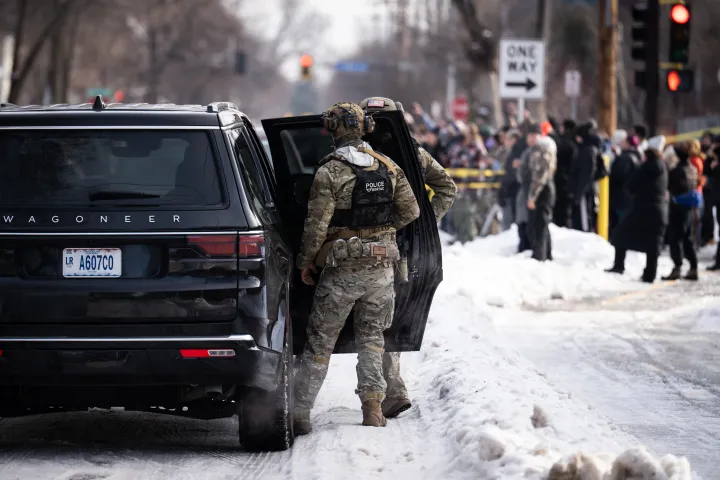
The demonstrations quickly spread from the bazaar into provincial capitals and university campus areas, and clashes with security forces were widely reported. Observers and monitoring groups cited multiple fatalities and large numbers of detentions, though precise figures vary between accounts and remain contested amid the government’s stringent communications restrictions. Authorities imposed near-total limits on internet and international messaging services in affected regions, curtailing independent reporting and complicating efforts to verify casualty and arrest tallies in real time.
Security services used dispersal tactics, targeted detentions and public arrests of alleged organisers while state media emphasised episodes of property damage and incendiary acts. The judiciary signalled a prosecutorial posture that prioritises rapid processing of cases deemed to involve collaboration with external enemies, heightening concerns among legal advocates about due process and transparency. The opacity surrounding detentions, trial proceedings and fatalities has intensified domestic unease and generated international calls for clarity and independent scrutiny.
The foreign-interference narrative and diplomatic dilemmas
Framing domestic dissent as externally orchestrated is a long-standing government narrative that serves political and security ends: it delegitimises opposition, rationalises heavy-handed measures, and reframes protest as a national-security problem rather than a social grievance. By naming a foreign political figure as a purported beneficiary of the unrest, the leadership made the dispute more geopolitical, which complicates how other countries respond without feeding Tehran’s claims of interference.
Foreign governments and international organisations face a delicate diplomatic calculus. Explicit promises of support for protesters or interventionist rhetoric can be used by Tehran to validate its "foreign plot" narrative, while silence in the face of rights violations risks moral and reputational cost. The most effective external posture, diplomats argue, is calibrated pressure that stresses restraint, humanitarian access and independent fact-finding while avoiding public statements that could be interpreted as direct political meddling.
Economic and regional implications
Short-term economic effects have been concentrated in affected cities where market hours were curtailed and supply chains disrupted, exacerbating shortages of staple goods. If unrest persists or is met with sustained repression, the economic fallout could include capital flight, reduced foreign investment appetite and a heavier fiscal burden as authorities consider emergency subsidies or import measures to stabilise markets. The cumulative cost of such interventions would further strain public finances already squeezed by sanctions and structural constraints.
Regionally, neighbours are attentive to the risk of spillovers, including refugee flows and cross-border tensions. Protracted instability could present opportunities for rival actors to exploit weakened governance, and energy market participants will monitor developments for any disruptions that might affect exports or regional transport corridors. For the broader international community the central risk is a spiral whereby securitised domestic policy responses deepen economic distress, making recovery and reform more difficult.
Legal pathways and policy choices ahead
Authorities face a constrained set of options: rapid and targeted economic relief to calm markets, a managed dialogue with nonviolent civic groups, or an intensified security campaign to restore order. Each option carries costs: subsidies are expensive and temporary; dialogue can be perceived by hardliners as legitimising dissent; and repression risks international isolation and lasting domestic damage. How the judiciary treats detainees, whether prosecutions are public and fair, and whether independent oversight is permitted will shape both domestic perceptions and international responses.
Transparent legal processes—publicly accounting for detainees, ensuring access to counsel and opening avenues for independent monitoring—could reduce tension with international actors and create space for a managed de-escalation. Conversely, opaque or expedited legal processes will likely harden external criticism and aggravate internal grievances, increasing the odds of further mobilisation.
Indicators to watch and likely trajectories
Key indicators to monitor in the coming days are the duration of communications restrictions, the degree of transparency in casualty and detention reporting, and whether independent media and international observers are allowed to operate. If authorities permit limited monitoring and implement credible short-term economic measures, unrest may subside into episodic protest. If the state doubles down on securitisation without transparency, the cycle of violent suppression followed by renewed mobilisation becomes more probable.
The supreme leader’s public characterisation of demonstrators as foreign-directed has already hardened the political environment and elevated the probability of a security-centred approach. The balance struck by policymakers between restoring order and credibly addressing economic grievances will determine whether this episode becomes an episodic disturbance or a more sustained political challenge with long-term domestic and regional consequences.
Written by Nick Ravenshade for NENC Media Group, original article and analysis.
Sources: Associated Press, Al Jazeera, Financial Times Reuters.
Comments ()