Minnesota, Illinois Lawsuits Invoke 10th Amendment to Challenge Trump ICE Surge in Democratic Strongholds

MINNEAPOLIS — Officials from Minnesota and Illinois filed federal lawsuits on January 12, 2026, invoking the 10th Amendment to halt what they describe as an unprecedented surge of Immigration and Customs Enforcement (ICE) and Border Patrol agents in their major cities. The legal actions, filed hours apart, mark a rare constitutional confrontation between Democratic-led states and the Trump administration over immigration enforcement authority. Both suits name the Department of Homeland Security and seek immediate restraining orders to block further federal operations, citing disruptions to public safety, local governance, and resident welfare.
Minnesota Attorney General Keith Ellison, alongside the cities of Minneapolis and St. Paul, argues the deployment of thousands of agents—reportedly exceeding 2,000 as of early January—violates state sovereignty by commandeering local police resources and interfering with policing powers reserved to states. Illinois Governor JB Pritzker and Chicago officials echo this claim, alleging the federal "incursion" employs militarized tactics, including chemical weapons and warrantless arrests, that undermine the state's ability to regulate public health, education, and economic activity. These lawsuits arrive amid nationwide protests against the administration's mass deportation push, with incidents like the shooting death of Renee Nicole Good by an ICE officer in Minneapolis cited as flashpoints escalating local tensions.
Constitutional Clash Over Federalism
The 10th Amendment, ratified in 1791 as part of the Bill of Rights, reserves powers not delegated to the federal government to the states or the people, forming the bedrock of American federalism. Minnesota's complaint, filed in U.S. District Court for the District of Minnesota (Case 0:26-cv-00190), contends the ICE operation dubbed "Metro Surge" disrupts state and local law enforcement's capacity to combat crime and protect public health. Plaintiffs assert federal agents have forced Minnesota police to "clean up the chaos" left by DHS actions, including excessive force in sensitive locations like schools, amounting to an unconstitutional commandeering of state resources.
Illinois' parallel suit in the Northern District of Illinois frames the agent surge as an "occupation" by military-trained personnel armed with semi-automatic weapons, who have conducted roving patrols, biometric scans, and property trespasses without warrants. State leaders argue these tactics not only infringe on sovereign interests like judicial management and property protection but also retaliate against Democratic voting patterns, potentially violating the First Amendment's speech protections and the Constitution's equal sovereignty doctrine. Legal scholars note this inversion of traditional states' rights rhetoric, historically invoked against federal civil rights enforcement, now shields progressive policies from national immigration mandates.
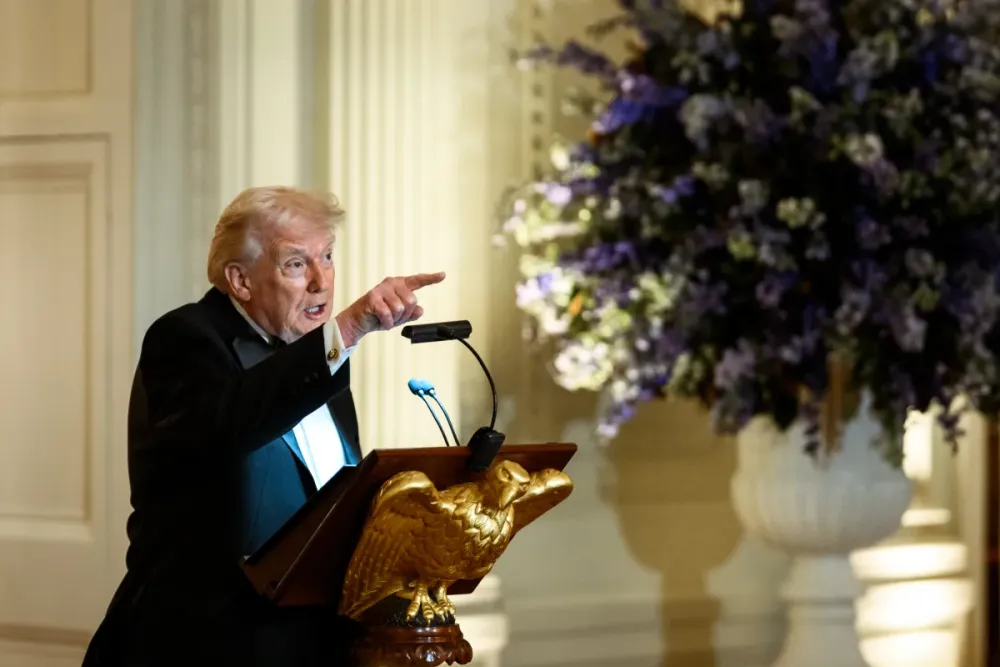
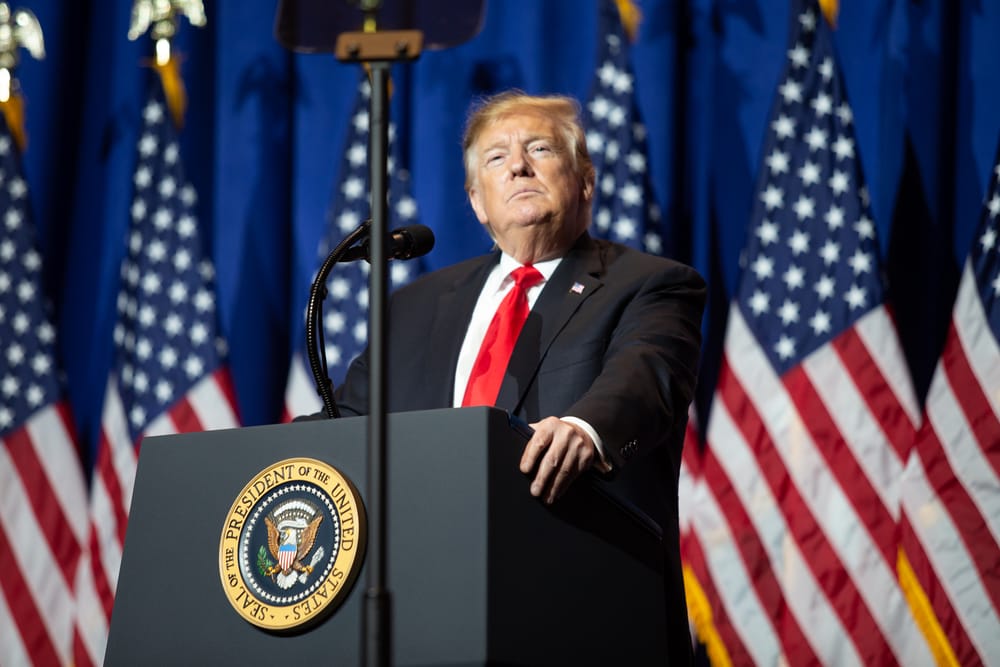
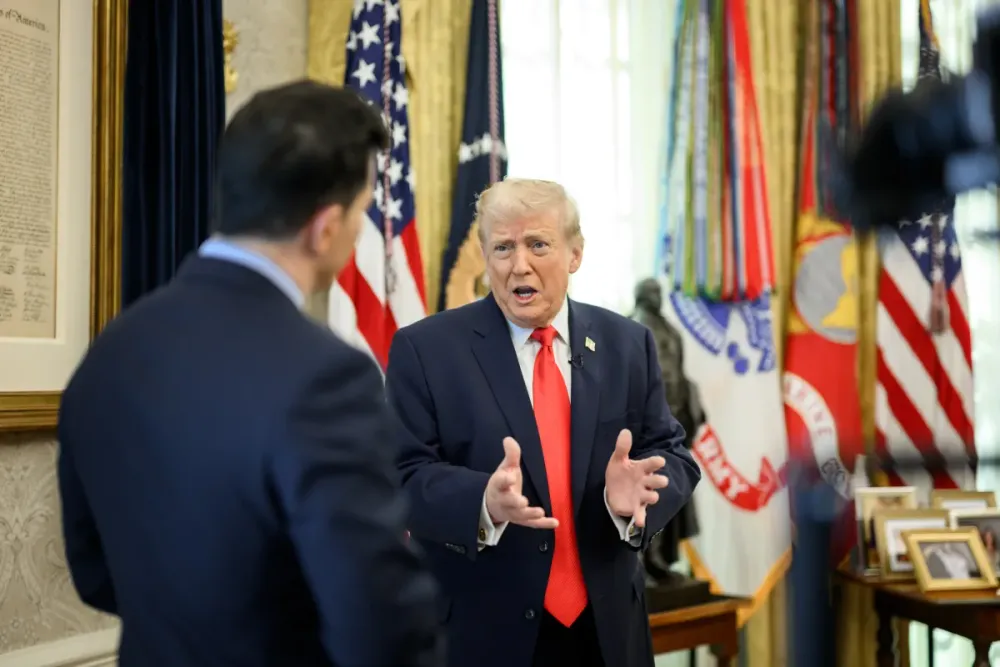
Judge Kate M. Menendez in Minnesota declined an immediate ruling on the temporary restraining order request on January 14, directing the Justice Department to respond by January 19. The federal response has emphasized Congress's plenary power over immigration, dismissing state objections as attempts to nullify national law. President Trump reinforced this position on Truth Social, framing the deployments as necessary retribution against "wreaking" cities and defending ICE's tactics amid reports of business closures, tourism drops, and dine-in sales plummeting in affected areas.
Operational Details and Local Impacts
Reports describe federal agents operating in tactical gear, concealing license plates, and using pepper spray against protesters in Minneapolis and Chicago since late 2025. St. Paul Mayor Kaohly Her described residents as "scared," with local officials compelled to divert resources from routine policing to manage federal fallout. In Chicago, restaurants shuttered during raids, and access to public benefits reportedly hindered, straining municipal budgets already stretched by protests and unrest.
Minnesota's suit demands an end to Operation Metro Surge, warrantless arrests, and targeting of sensitive locations, while Illinois seeks to vacate roving patrols and chemical weapon use outright. Both allege Administrative Procedure Act violations for arbitrary, capricious agency actions lacking congressional authorization. Constitutional experts like Georgetown's Michele Goodwin highlight the lawsuits' novelty, testing whether federal immigration enforcement crosses into impermissible state interference after over two centuries of settled supremacy in this domain.
University of Chicago's Craig Futterman questions judicial receptivity, given precedents affirming federal primacy, but notes the cases could prompt fresh Bill of Rights scrutiny. The suits coincide with broader Trump policies expanding ICE by thousands, targeting sanctuary jurisdictions, yet face skepticism from scholars predicting uphill battles in conservative-leaning circuits.
Historical Precedents and Strategic Stakes
Past 10th Amendment disputes, such as New York v. United States (1992), struck down federal mandates compelling states to enact radioactive waste laws, reinforcing anti-commandeering doctrine. Printz v. United States (1997) extended this to Brady Act background checks, barring federal coercion of local sheriffs. Plaintiffs here analogize ICE surges to such overreach, claiming agents effectively conscript state forces without consent.
Yet immigration differs markedly, with Arizona v. United States (2012) upholding federal preemption over state SB 1070 enforcement. Critics argue states cannot selectively obstruct national security prerogatives, potentially dooming the suits. Success could embolden other blue states, fragmenting enforcement and escalating partisan divides.
Broader implications loom for federalism: victory might validate sanctuary doctrines constitutionally, while defeat reinforces centralized authority amid Trump's reelection mandate. Economic fallout already evident—hospitality sectors report 20-30% revenue dips—underscores stakes for urban economies reliant on diverse workforces.
Policy Ramifications and Next Steps
Federal courts now hold the fate of these novel claims, with appeals likely reaching the Supreme Court. A win for states could reshape deportation logistics, forcing congressional tweaks to ICE funding or authorization. Loss might accelerate operations, intensifying urban-rural enforcement disparities.
Geopolitical echoes arise too: as Europe grapples with migration pacts, U.S. federalism tensions model internal border sovereignty battles. Downstream, cities may bolster mutual aid pacts, while DHS pivots to rural priorities.
Written by Nick Ravenshade for NENC Media Group, original article and analysis.
Sources: CNN, Minnesota Attorney General's Office, Axios, Smart Cities Dive, The New York Times, NPR, MPR News, Democracy Now, BBC.
Author

Nick Ravenshade, LL.B., covers geopolitics, financial markets, and international security through primary documents, official filings, and open-source intelligence. Founder and Editor-in-Chief of NENC Media Group and WarCommons.
Sign up for NENC Now newsletters.
Stay up to date with curated collection of our top stories.