Post-Venezuela Surge: Trump’s Threats to Greenland, Colombia, Cuba, Mexico and Iran Rattle Global Diplomacy
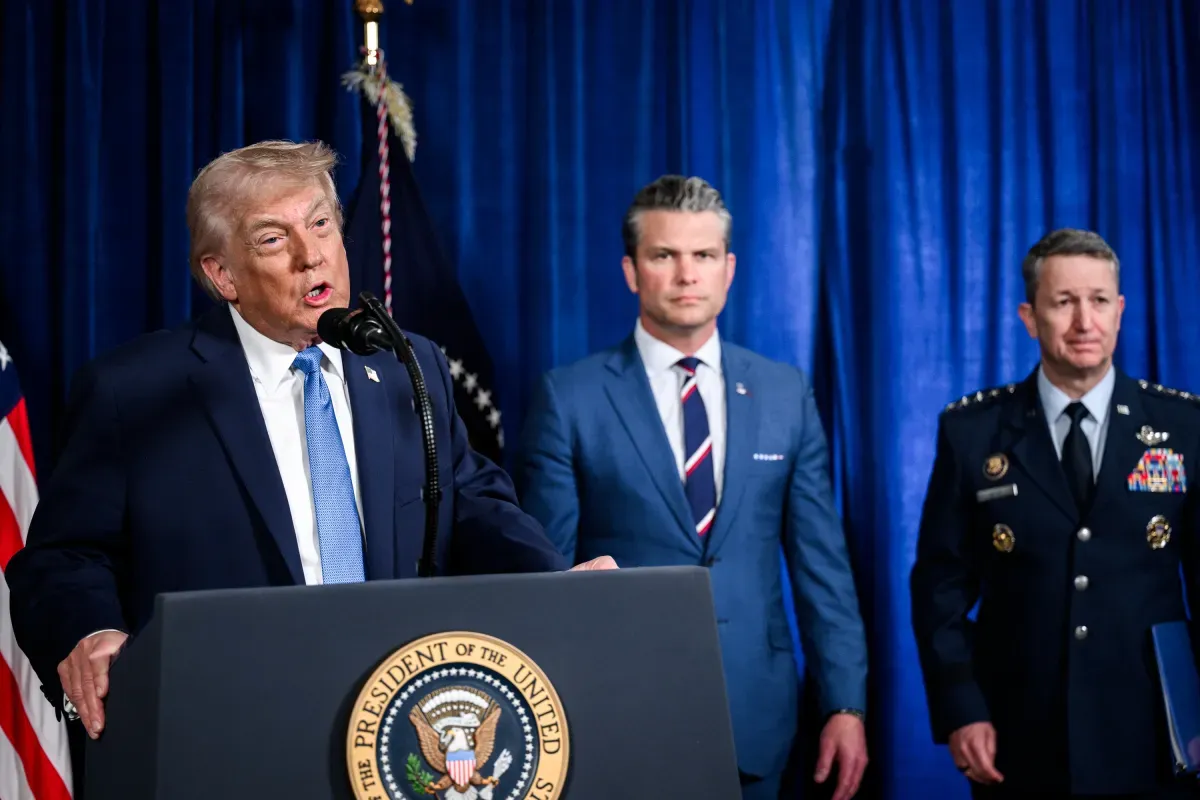
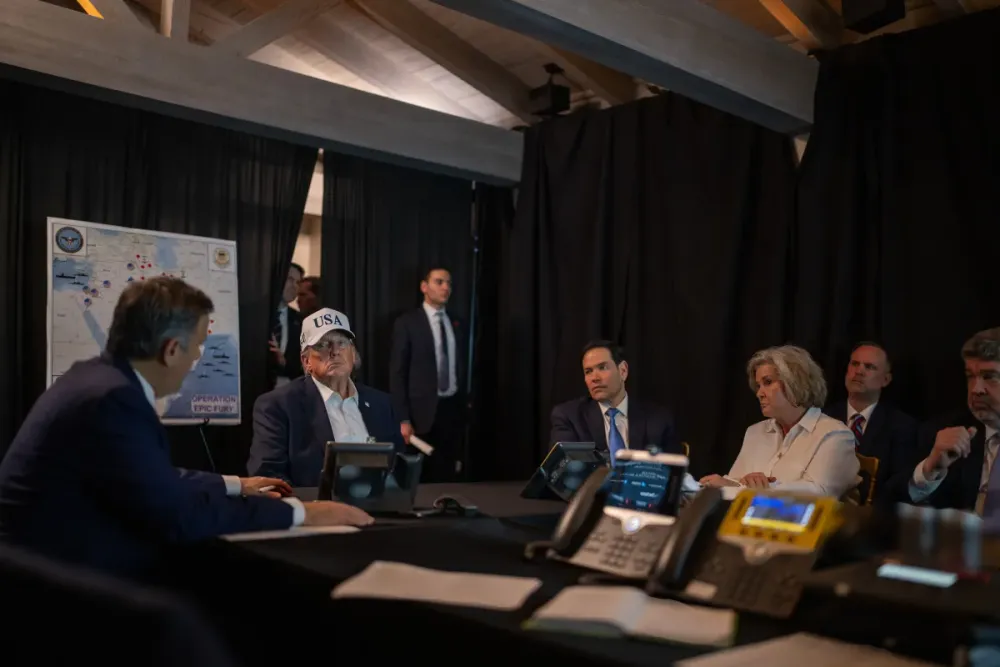
WASHINGTON — The United States’ military operation in Venezuela and the public statements that followed have reshaped diplomatic calculations from the Arctic to the Middle East. Days after U.S. forces seized Venezuela’s president and transported him to New York to face federal charges, the U.S. president expanded public rhetoric to reference Greenland, Colombia, Cuba, Mexico and Iran. Capitals from Copenhagen to Bogota demanded immediate clarifications and sought briefings. NATO and regional organisations registered concern while markets and defence planners tried to price the risk. The rapid sequence of a kinetic operation followed by broad public threats has prompted legal, diplomatic and intelligence reviews. How governments and institutions respond will determine whether this episode is contained or becomes a new precedent for intervention.
After Venezuela: law, force and a new template for intervention
U.S. officials presented the seizure as an enforcement action tied to a sealed indictment that was unsealed in federal court and followed by an arraignment in New York; the charges allege narcotics-related conspiracies. Security officials characterised the mission as a coordinated special-operations seizure supported by air strikes and national intelligence assets, stressing precision and the existence of a prosecutorial pathway. That combination, rapid kinetic action followed by domestic criminal process, was presented publicly as a law-enforcement result rather than a traditional occupation. The framing is intended to situate the action within criminal procedure rather than as an act of territorial conquest.
Allied governments responded by seeking written briefings and formal consultations, signalling unease at what some diplomats described as a lowered threshold for extraordinary measures. Legal scholars emphasise that the international-law basis for seizing a sitting head of state on foreign soil is contested and will attract litigation and multilateral scrutiny. Domestic oversight bodies in democratic capitals have signalled plans for after-action reviews that could constrain future executive latitude. The political calculus in allied capitals now includes deterrence objectives weighed against reputational, legal and coalition costs.
Greenland and the Arctic: strategy meets sovereignty
Within hours of the Venezuela operation the U.S. president reiterated longstanding strategic interest in Greenland and described the island’s geography as central to national security planning. Copenhagen and Nuuk pushed back forcefully, stressing Greenland’s status within the Danish realm and the primacy of local self-determination in any discussion of territorial change. The public exchange reopened debates about Arctic basing, mineral access and how allies manage contested strategic spaces as climate change alters shipping lanes and resource access. For Greenlanders, the dispute is as much about political autonomy and domestic priorities as it is about great-power rivalry.
Analysts argue the Greenland rhetoric matters because strategic vocabulary mixed with blunt territorial claims can erode informal alliance trust even when annexation is politically unlikely. Danish and Greenlandic leaders moved quickly to translate public friction into bilateral defence talks aimed at reassurance and practical cooperation. NATO partners have been engaged quietly to contain the diplomatic fallout and to reiterate that alliance decisions rest on shared procedures. The episode therefore tests whether institutional diplomacy can absorb sharp presidential rhetoric without a substantive rupture in allied relationships.
Colombia, Cuba and Mexico: Latin America on edge
In public remarks after the Venezuela operation the U.S. president explicitly criticised Colombia’s leadership and said a military operation there “sounds good” as a response to allegations about coca production and trafficking. Bogota rejected that characterisation as unacceptable interference and warned that such rhetoric undermines cooperation on migration and security. The comment risks politicising counter-narcotics partnerships that rely on sustained intelligence sharing, joint prosecutions and mutual trust. Regional governments now face the immediate task of insulating operational cooperation from headline politics.
On Cuba and Mexico the rhetoric was similarly consequential: Cuba was described as economically vulnerable following the disruption of Venezuelan support, and Mexico was urged to “get their act together” on cartel violence. Those statements import domestic political frames into foreign policy and increase the chance that operational arrangements become transactional. Leaders in the region must preserve channels for joint operations, extraditions and information exchange while resisting pressure to subordinate long-term coordination to episodic political gains. How those governments manage that tension will shape security cooperation in the months ahead.
Iran: regional risks and the limits of coercion
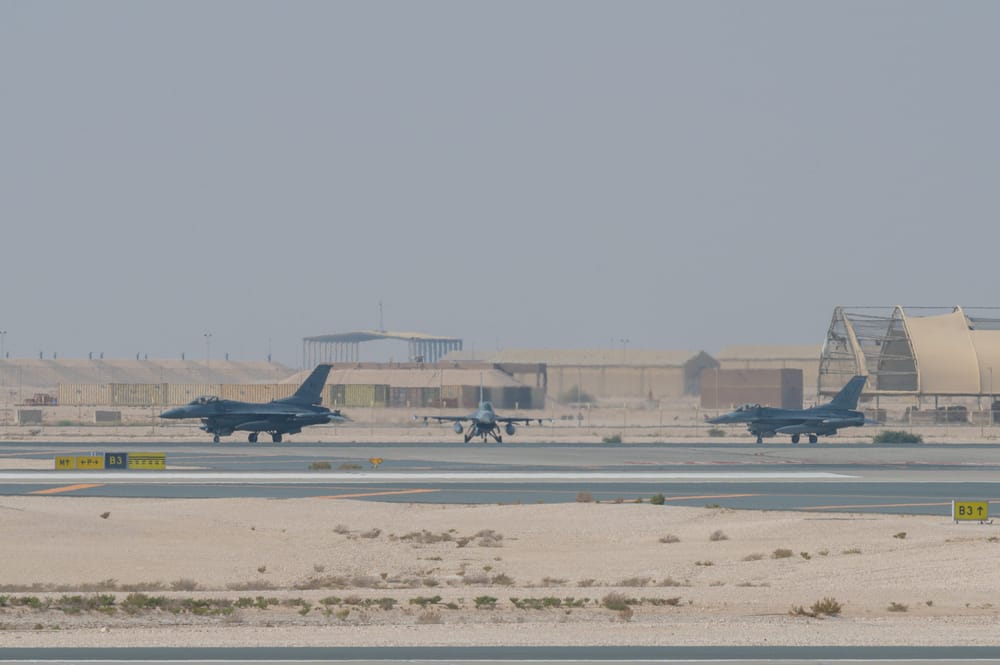
Beyond the Western Hemisphere the president warned that U.S. forces stood ready to act in support of protesters in Iran if security forces escalated crackdowns, invoking a posture of readiness. Tehran dismissed the threat and warned that external interference would be met with proportionate countermeasures, signalling the potential for rapid escalation in an already volatile regional environment. Military planners emphasise that Iran presents materially different obstacles: geography, layered air-defence systems and proxy networks raise the bar for any credible coercive option. Those operational realities mean that rhetoric and warning statements matter in different ways than they did in a nearby special-operations seizure.
Analysts also caution that vocal threats can have unintended domestic effects by empowering hardliners and constraining moderates who might otherwise pursue accommodation. Proxy alliances could convert a local incident into a wider confrontation if miscalculation occurs, particularly where regional actors feel compelled to demonstrate resolve. Partners are therefore focused on de-escalatory channels that preserve humanitarian space while discouraging measures that could be misread as imminent preparations for attack. The diplomatic priority for both regional and global actors is to lower temperatures while protecting civilians.
Diplomatic blowback and legal checks
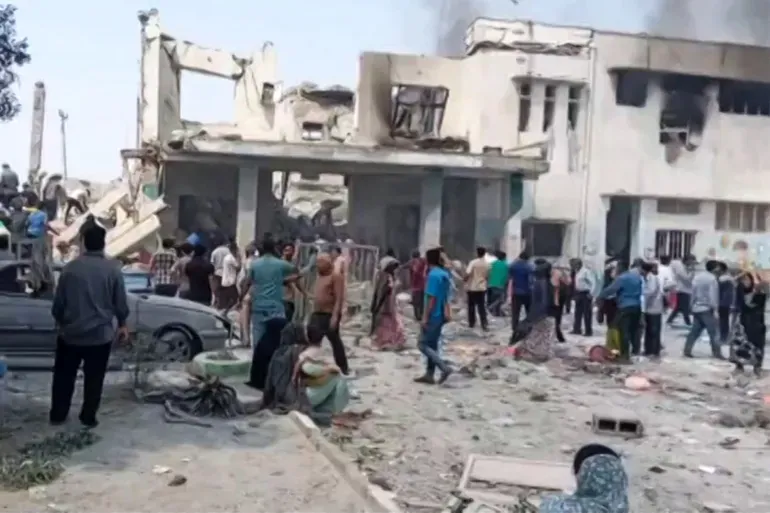
Allied governments and international organisations responded with formal protests, requests for briefings and public calls for legal clarification about the arrest and transfer of a sitting head of state. Several capitals specifically asked whether prior notifications had been provided, because procedural answers shape claims of complicity or ignorance. Parliamentary oversight committees and civil-society groups have signalled they will monitor the operation closely, increasing the likelihood of judicial review and formal inquiries. Human-rights advocates have also indicated plans to investigate civilian harm and proportionality claims.
The combination of parliamentary review, judicial scrutiny and multilateral commentary creates two divergent risks for policymakers. If partners insist on legal preconditions and consultation, future operational latitude could be narrowed. Public opinion in allied capitals is already shaping parliamentary debate over future authorisations. If institutional checks are weak, critics warn of a creeping normalisation of unilateral coercive measures that could erode alliance cohesion and international legal norms.
What the pattern suggests for policy and markets
Taken together, the operation and the president’s subsequent public comments reveal a posture that pairs tactical precision with sweeping rhetorical pressure on allied and adversary governments. That dual approach compresses decision cycles for potential follow-on actions while increasing reputational and legal costs for Washington because partners may demand documented justification before offering support. For markets, the most immediate channel of risk is crude oil: any credible threat to regional stability or to production and transport can move benchmarks quickly and raise risk premia for oil-dependent economies.
Investors are already adjusting positions and defence suppliers saw intraday volatility as traders tried to quantify the likelihood and duration of broader instability. Humanitarian and migration agencies are preparing contingency plans for displacement scenarios that could follow protracted unrest and for the knock-on effects on neighbouring states. Credit-rating bodies and multinational banks are watching sovereign-risk indicators that affect lending and investment decisions in commodity-dependent economies. The near-term economic consequence is heightened volatility for trade flows, insurance premiums and sovereign financing costs.
The legal proceedings in New York will themselves be consequential for diplomacy because court filings, evidentiary disclosures and prosecutorial choices will be read abroad as indicators of whether domestic law is being used for foreign-policy ends. Diplomatic traffic at the United Nations and in regional organisations will determine whether the episode is contained or evolves into a prolonged crisis that reshapes regional security practice. If institutional checks in allied capitals reassert consultation and legal constraints, the operation may remain an exceptional, contested episode. The coming weeks will be decisive. The coming weeks will be decisive.
Written by Nick Ravenshade for NENC Media Group, original article and analysis.
Sources: Reuters Al Jazeera, PBS, U.S. Department of Justice.
Photo: “Official White House photograph” / Source: The White House, https://www.whitehouse.gov/wp-content/uploads/2026/01/P20260103MR-1459.jpg. Retrieved 2026‑01‑06. No photographer credit listed; image provided as a United States Government work. Used with editorial attribution
Author
Nick Ravenshade, LL.B., covers geopolitics, financial markets, and international security through primary documents, official filings, and open-source intelligence. Founder and Editor-in-Chief of NENC Media Group and WarCommons.
Sign up for NENC Now newsletters.
Stay up to date with curated collection of our top stories.