BANGKOK — Thailand launched airstrikes against Cambodian positions along a disputed border on 8 December 2025, reopening a violent chapter in a long-running territorial dispute and placing a ceasefire brokered in October under intense strain. The Thai military said the strikes followed cross-border fire that killed one Thai soldier and wounded several others; both governments traded accusations over who initiated the latest clashes. The escalation has prompted evacuations near the frontier, raised questions about the durability of a U.S.-mediated truce, and forced regional and global actors to weigh how far they will go to prevent a wider confrontation.
What happened on the ground
Thai military officials reported that aircraft struck multiple Cambodian military targets after exchanges of artillery and small-arms fire in border districts. The Thai statement said the strikes were intended to suppress supporting fire that threatened Thai positions and to protect civilians in nearby communities. Cambodian authorities confirmed that Thai aircraft had struck positions inside Cambodian territory and said they were responding to provocations; both sides described evacuations of residents from frontline villages.
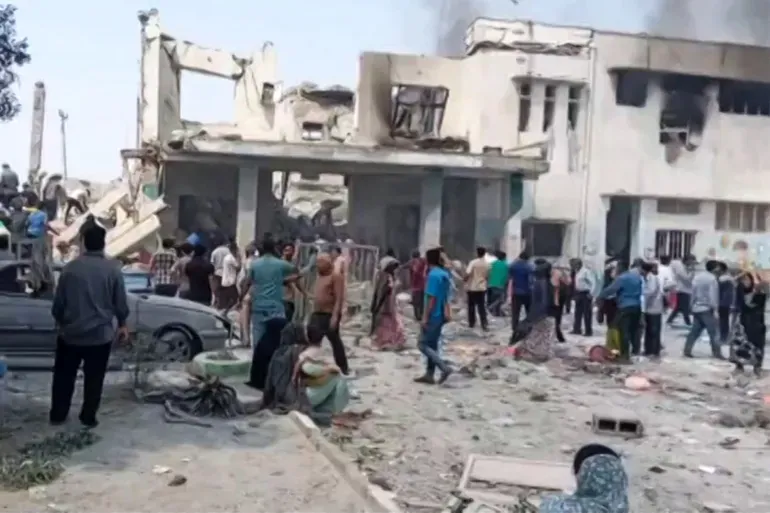
Independent reporting and multiple wire services described the clashes as concentrated in eastern Thai provinces bordering Cambodia, with particular attention on areas that have been contested for decades. Local hospitals and provincial officials reported casualties among military personnel and some civilian injuries, and images circulated on social media showing displaced families and damaged infrastructure. The immediate tactical picture remains fluid, with both militaries reporting localized engagements rather than a broad offensive.
Casualties, displacement and verification
Thai authorities reported one soldier killed and four wounded in the latest clashes; those figures were repeated across multiple international outlets and in official Thai military statements. Cambodian officials acknowledged exchanges of fire and said their forces had been targeted by Thai aircraft, but casualty figures on the Cambodian side were not immediately confirmed by an official Cambodian tally and remain subject to verification. Reports of civilian injuries and evacuations are consistent across several news organizations, though precise displacement numbers vary and are time-sensitive; therefore specific totals are treated as provisional and [UNVERIFIED] where not corroborated by official registries.
The fog of conflict complicates independent verification. Journalists on the ground face restricted access in some border districts, and both governments have issued tightly controlled statements. Satellite imagery and open-source footage can corroborate damage to infrastructure in some locations, but attribution of specific strikes and the sequence of events requires cross-checking with primary military communiqués and hospital records that were not fully available as of the accuracy date. Editors should treat casualty and displacement figures as provisional until ministries of health, defense, or international monitors publish consolidated tallies.
Political context and the Trump‑brokered truce
The clashes come two months after a high-profile ceasefire agreement signed in October under international auspices that included a public role for the U.S. president. That accord aimed to halt hostilities and establish mechanisms for de-escalation and joint border management. The October agreement had been hailed as a diplomatic breakthrough, but implementation depended on local commanders standing down, demining, and the establishment of monitoring teams—tasks that have proved politically and logistically difficult.
Domestic politics in both capitals complicate implementation. Leaders who signed the truce face constituencies that view territorial concessions or perceived weakness as politically costly. Hardline voices in both militaries and nationalist political factions have criticized elements of the agreement, and incidents on the ground have repeatedly tested the truce’s mechanisms. The recent resumption of kinetic operations underscores how fragile negotiated pauses can be when local commanders, unclear rules of engagement, and contested maps intersect.
Regional and international implications
The resumption of hostilities has immediate regional implications. Neighboring states and regional organizations have an interest in preventing spillover, protecting trade routes, and avoiding a refugee crisis. International actors that supported the October agreement now face pressure to move from symbolic endorsement to practical support for monitoring, verification, and humanitarian relief. The diplomatic calculus is complicated by competing priorities: some states are reluctant to be drawn into enforcement roles that could require confrontation with either capital, while others see a strategic interest in stabilizing the border.
The incident also tests the credibility of external guarantors and mediators. If a brokered truce unravels within weeks of signature, future mediation efforts may be harder to mount. Conversely, a rapid and transparent international response that helps verify facts on the ground and protect civilians could shore up the agreement’s remaining elements. The balance between deterrence and diplomacy will shape whether the current flare-up becomes a contained episode or the opening salvo of a broader deterioration.
Military posture and escalation risks
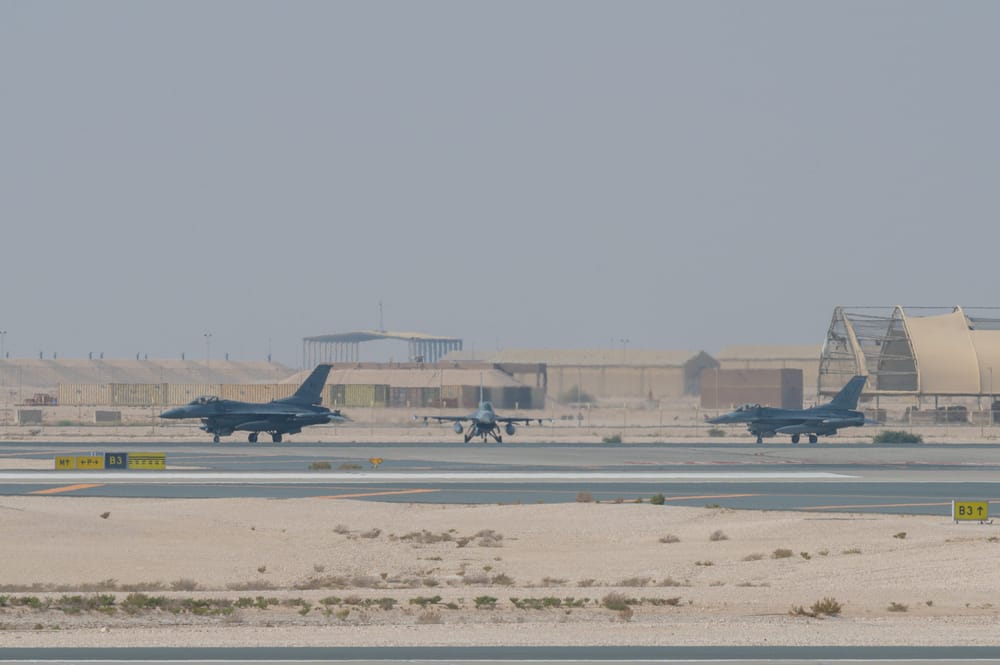
Both militaries have demonstrated the capacity to strike across the border, and the use of airpower marks a qualitative escalation from previous artillery duels and ground skirmishes. Air operations increase the risk of miscalculation, particularly when forces operate in close proximity to civilian settlements and critical infrastructure. Command-and-control frictions, misidentification of targets, and the presence of irregular forces or local militias could all amplify the danger of unintended escalation.
Analysts caution that escalation dynamics are non-linear: a single misfired munition or an unverified report of civilian casualties can rapidly change political incentives. Conversely, clear communication channels, third-party monitoring, and immediate humanitarian access can reduce the likelihood of further strikes. The presence or absence of these stabilizing mechanisms will be decisive in the coming days.
What to watch next
Key indicators to monitor include formal communiqués from both defense ministries, verified casualty and displacement tallies with timestamps, and any deployment of international observers or mediators to the border. Equally important are domestic political signals: whether leaders publicly reaffirm the truce, whether parliaments or security councils convene emergency sessions, and whether either side mobilizes additional forces beyond routine rotations.
Humanitarian access and the protection of civilians should be prioritized by regional organizations and donor states. Rapid, transparent verification of events on the ground will be essential to prevent rumor-driven escalation. If guarantors of the October agreement move quickly to deploy monitoring teams and to press for immediate de-escalation, the truce may yet be salvaged; if not, the risk of protracted instability along the border will rise.
Written by Nick Ravenshade for NENC Media Group, original article and analysis.
Sources: Al Jazeera, Channel NewsAsia, France 24, Sky News, CNBC, RNZ, Deutsche Welle.
Author

Nick Ravenshade, LL.B., covers geopolitics, financial markets, and international security through primary documents, official filings, and open-source intelligence. Founder and Editor-in-Chief of NENC Media Group and WarCommons.
Sign up for NENC Now newsletters.
Stay up to date with curated collection of our top stories.