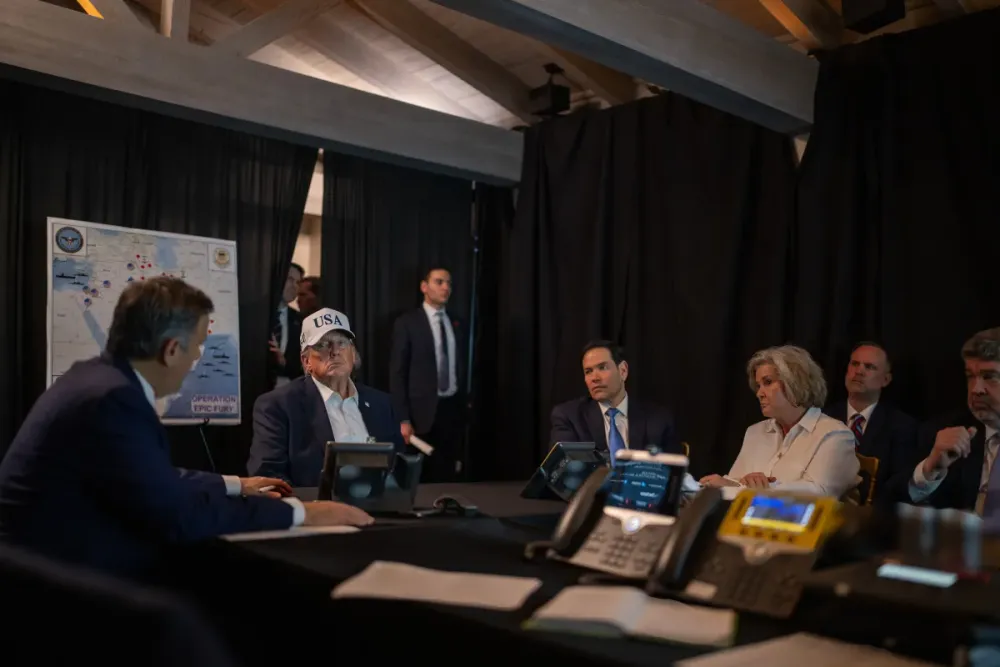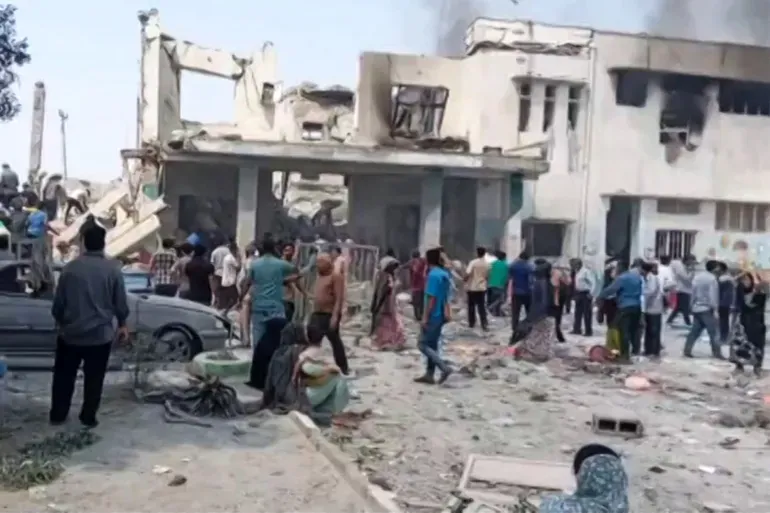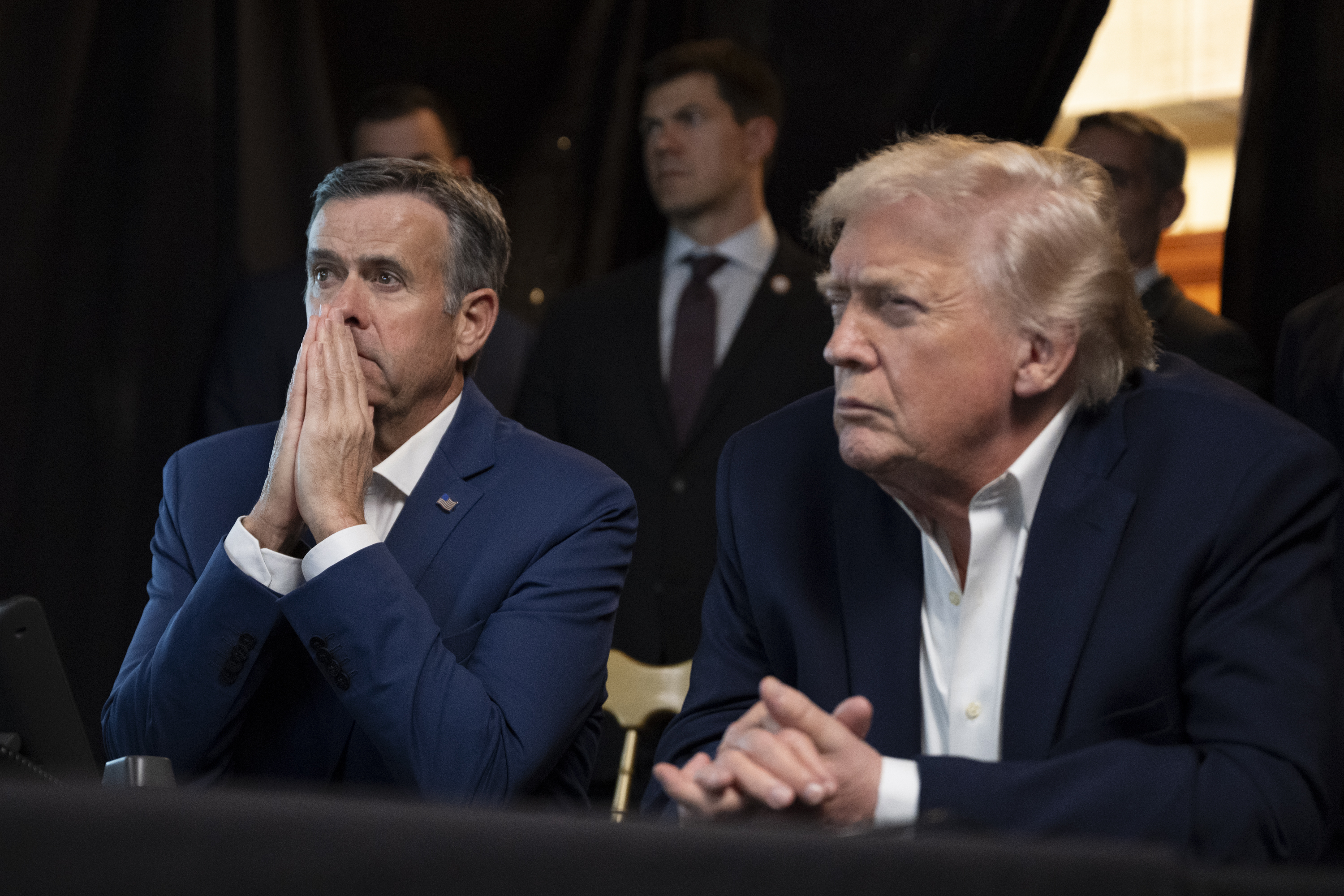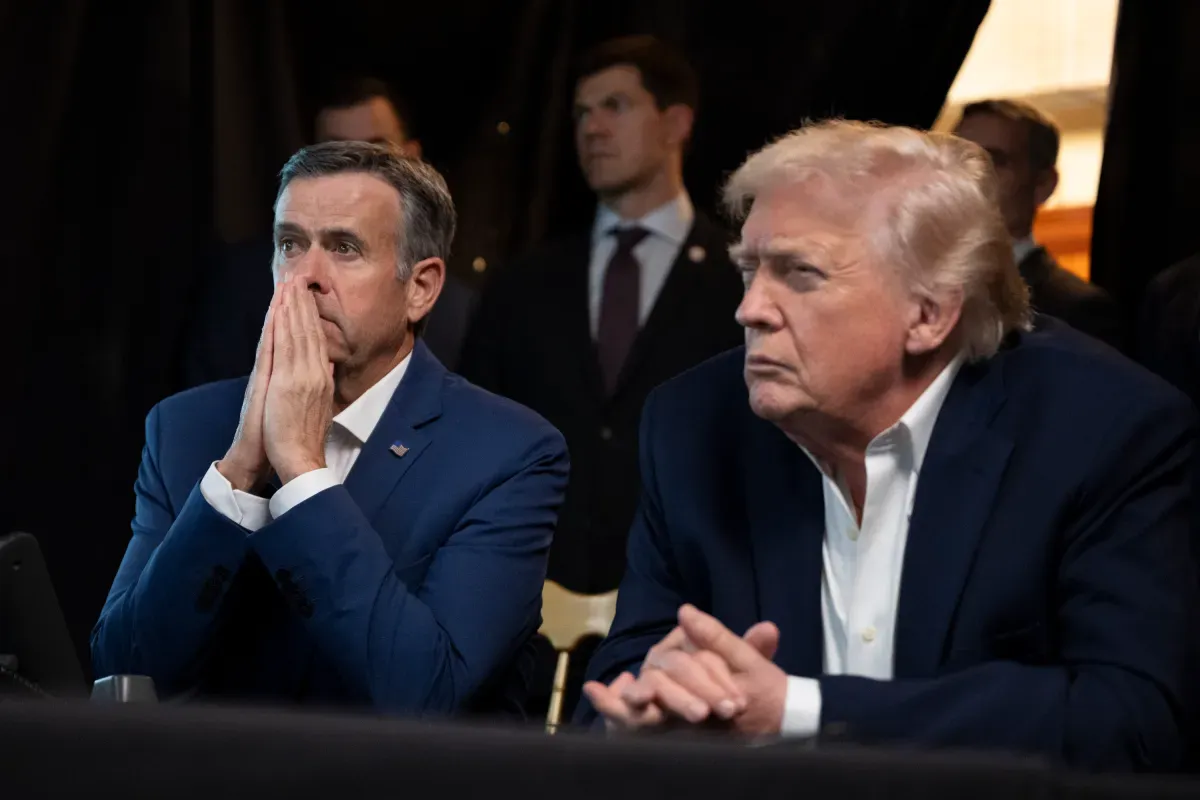
WASHINGTON — President Donald Trump said on Sunday he had been briefed on a range of responses to mass protests and the Iranian government’s crackdown, including possible military strikes and non-military measures, a posture that immediately raised the prospect of rapid escalation in the region. The administration combined sharply worded warnings with offers of technical assistance to restore communications inside Iran and urgent consultations with allies, forcing markets, militaries and diplomats to reassess contingency plans and legal constraints.
The menu of options and the decision calculus
Senior advisers presented the president with a spectrum of actions that range from limited kinetic strikes against facilities tied to repression to covert cyber operations aimed at degrading command-and-control capabilities. Non-kinetic alternatives included stepped-up sanctions, targeted financial measures aimed at regime elites, and expanded support for independent media and communications channels inside Iran. Each option carries a different operational profile and a distinct escalation risk that advisers must weigh against legal constraints and the potential for civilian harm.
Legal counsel emphasised that kinetic action requires a solid evidentiary basis and that humanitarian justifications, while politically salient, are legally contested absent clear imminence or multilateral backing. Diplomats and military planners stressed allied synchronisation as essential to preserve legitimacy and manage second-order effects. That requirement complicates any hurried response: unilateral steps reduce the scope for coalition messaging and increase the political cost if retaliation follows.
Tehran’s warnings and the regional escalation risk
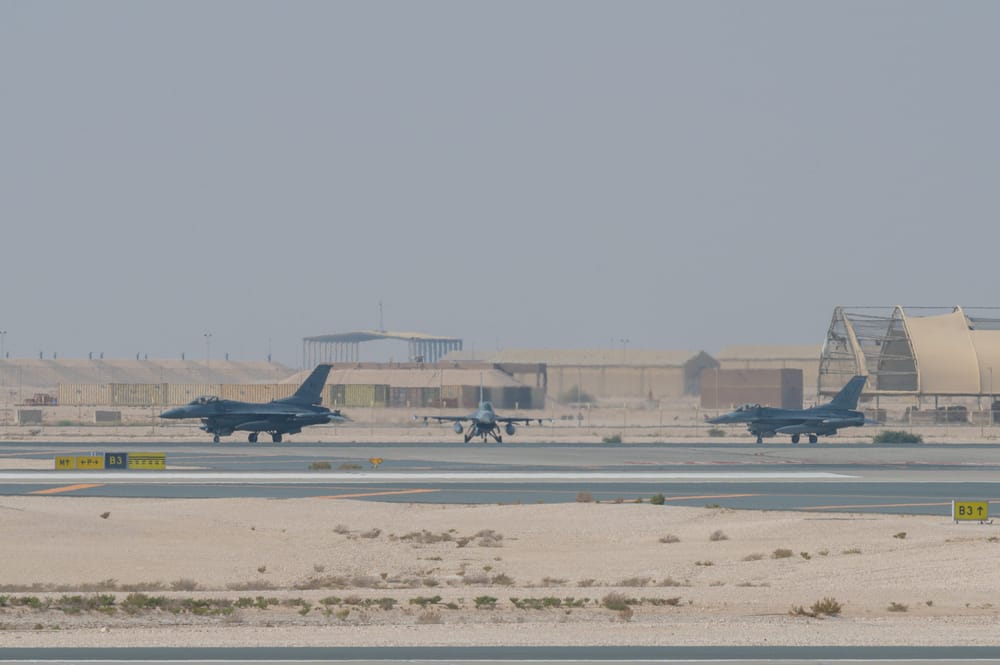
Iran’s leadership responded with unusually explicit warnings that any external strike would be met with retaliation against regional U.S. bases and Israeli sites, language designed to broaden the potential theatre of conflict. Officials in Tehran framed retaliatory options as legitimate defensive measures, elevating the probability that even limited strikes could trigger asymmetric attacks by proxy groups or direct launches that affect shipping lanes and air routes. Regional capitals signalled alarm and urged restraint while quietly reviewing their own defensive postures.
Military planners caution that a tit-for-tat exchange could quickly affect commerce, insurance costs for tankers and insurance spreads for companies operating in the Gulf. Those spillovers, in turn, have direct economic consequences: disruption to energy flows and insurance markets translates into higher costs for shippers, producers and ultimately consumers. The prospect of a broader confrontation is therefore an operational as well as a political consideration for decision-makers.
Operational barriers and escalation management
Operational realities place practical limits on the effectiveness of rapid strikes. Iran’s layered air-defence architecture, hardened and dispersed facilities, and extensive civil infrastructure in urban areas make precision effects difficult to guarantee. Achieving a narrowly tailored military outcome without causing significant civilian casualties or infrastructure damage is technically challenging and would likely require sustained access to high-quality intelligence and allied overflight permissions.
Cyber measures offer lower visibility and can be tightly scoped, but they carry their own hazards: collateral damage to civilian networks, rapid attribution challenges and the risk that an operation designed to disrupt repression could inadvertently affect hospital or utilities systems. Because each tool presents different escalation profiles, officials emphasise the need for clearly articulated dispute-management channels — hotlines, pre-notification agreements and allied coordination frameworks — to reduce the chance of miscalculation.
Legal, political and market implications
Any U.S. use of force raises immediate domestic political questions about authority, oversight and proportionality. Congressional leaders indicated they would seek briefings and could assert oversight, particularly if operations risked entangling U.S. forces or lacked a durable legal rationale. Internationally, legal advisers noted that humanitarian rationales for force are fragile under current law in the absence of a Security Council mandate, increasing the importance of allied endorsement and transparent legal reasoning.
Markets responded to the heightened geopolitical risk with classic safe-haven flows and repricing of sectoral risk. Defence suppliers experienced short-term repricing based on speculation about procurement, while energy and shipping markets watched insurance premiums for regional transit rise. Equity and credit desks widened hedges and recalibrated stress tests to include scenarios where policy risk, not macroeconomic fundamentals, became the dominant driver of volatility.
Diplomatic pathways and multilateral options
Diplomats argued that the most sustainable path combines calibrated pressure, targeted sanctions designed to preserve humanitarian space, with visible humanitarian and informational assistance. A multilateral package can constrain Tehran’s scope for repression while offering an off-ramp that preserves room for negotiation. If military options are retained for signalling, pairing them with an explicit, time-limited multilateral framework and precise, public legal justification reduces ambiguity and the chance of unintended escalation.
Regional coordination is also central: joint naval patrols to protect commercial shipping, aligned air-defence postures to avert misidentification, and coordinated public messaging can help stabilise markets and civilian populations. Achieving this coordination, however, depends on allies perceiving options as legally defensible and operationally feasible, not merely rhetorical.
Indicators to watch and likely trajectories
Short-term indicators to monitor include authenticated intelligence disclosures that could constitute a legal basis for action, any verified movement of strike assets into launch posture, and specific Iranian declarations naming retaliatory targets. Markets will track insurance spreads for tankers, implied volatility in commodity contracts, and flows into safe-haven sovereigns and precious metals as early barometers of systemic risk.
The likeliest near-term outcome is calibrated pressure that stops short of large-scale kinetic action: stepped-up targeted sanctions, cyber operations aimed at discrete repression enablers, and information support combined with multilateral diplomacy. But if political pressure to act intensifies and is paired with an evidentiary chain that advisers deem sufficient, limited strikes remain a possible, high-risk option. How the administration balances the political imperative to support demonstrators against the strategic imperative to avoid wider conflict will determine whether the crisis is contained or escalates.
Written by Nick Ravenshade for NENC Media Group, original article and analysis.
Sources: Reuters, New York Times, Bloomberg, Associated Press, CBS News.
Photo: “Official White House photograph” / Source: The White House, https://www.whitehouse.gov/wp-content/uploads/2026/01/p20260103mr-0819_55022162726_o.jpg, Retrieved 2026‑01‑12. No photographer credit listed; image provided as a United States Government work. Used with editorial attribution.
Author

Nick Ravenshade, LL.B., covers geopolitics, financial markets, and international security through primary documents, official filings, and open-source intelligence. Founder and Editor-in-Chief of NENC Media Group and WarCommons.
Sign up for NENC Now newsletters.
Stay up to date with curated collection of our top stories.