Trump’s Venezuela Dilemma: Maduro Refuses Exit as Alleged U.S. Strike Draws Legal and Political Backlash

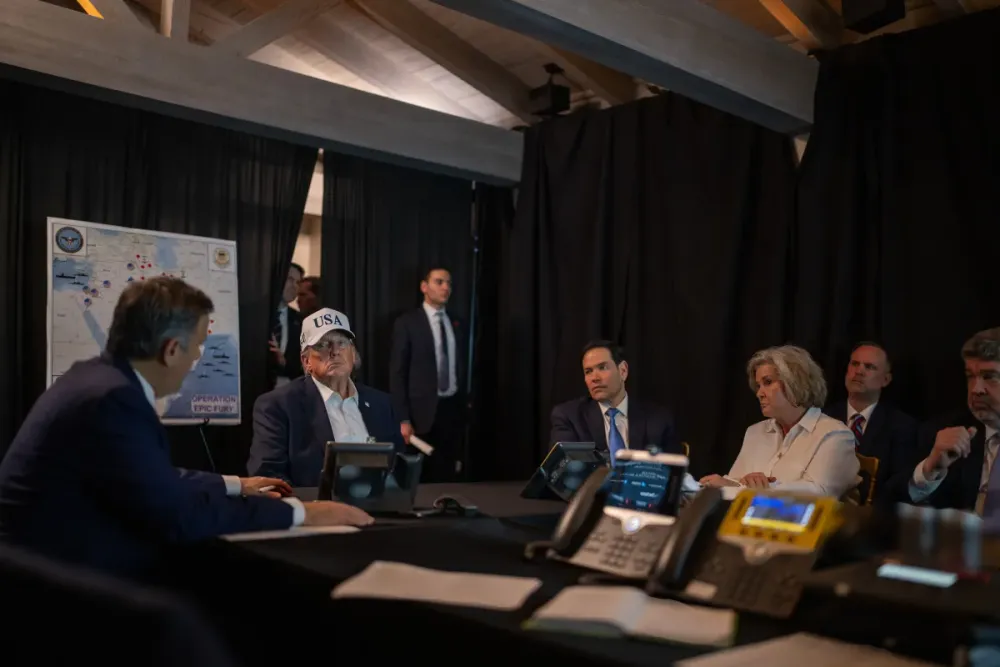
WASHINGTON — President Donald Trump confronts a high-stakes foreign policy problem in Venezuela as Nicolás Maduro digs in and Washington reels from reporting that a recent U.S. maritime operation may have killed survivors and could amount to a war crime. The two threads have become entangled: a reported U.S. offer of safe passage for Maduro in exchange for an immediate resignation has failed to produce a negotiated exit, while domestic outrage over the legality of a follow-on strike has narrowed the administration’s room to maneuver. The result is an acute dilemma in which strategic aims, legal constraints, and domestic political calculations pull in different directions.
A blunt ultimatum and a swift rebuff
At the end of November, U.S. interlocutors reportedly delivered a simple proposition to Caracas: step down now, accept safe passage for yourself and close family, and avoid a bloody transition. The offer was framed as a limited, face-saving mechanism intended to produce a rapid transfer of power without an open occupation, and it implicitly assumed that Maduro had a credible path out that would not leave a security vacuum. Maduro, by contrast, publicly rebuffed those terms, insisting on sweeping guarantees and legal immunities that Washington was unwilling to grant. That exchange made clear the limits of purely diplomatic pressure when the incumbent has both core regime loyalty and external patrons who make simple exits politically costly.
Maduro’s public posture since the reported call has emphasized defiance. The Venezuelan leader staged large public rallies and underscored national sovereignty while moving to reassure military commanders and allied constituencies that Caracas will resist external coercion. That posture has two effects: it reduces the likelihood of senior defections that could produce a quick transfer of power, and it raises the cost of any coercive push because resistance becomes both practical and symbolic. For U.S. policymakers, the rebuff converts a potential low-risk outcome into a scenario where pressure must either be ramped up carefully or risk producing prolonged instability.
The domestic storm: maritime strikes and questions of legality
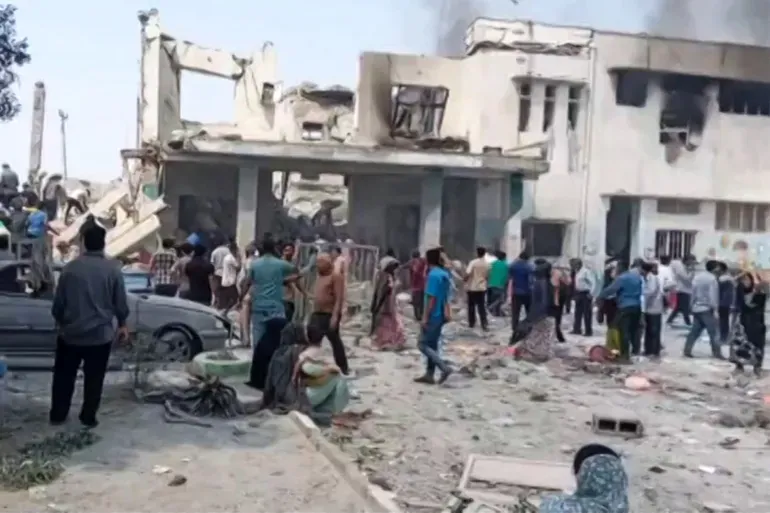
Overlaying the Venezuela dilemma is a fierce domestic controversy triggered by investigative reporting about a September interdiction operation. The reporting alleges that an initial strike on a suspected drug-smuggling vessel left people alive in the water and that a follow-on strike later killed those survivors. If the core allegations are substantiated, the legal implications are stark: international humanitarian law protects persons who are hors de combat, and deliberately targeting such people could constitute a war crime. Those questions have prompted bipartisan demands for classified briefings, video, operational logs, and sworn testimony from senior officials in order to determine precisely who ordered what and why.
The administration has defended the interdiction campaign as lawful action against violent transnational criminal networks, emphasizing national security and humanitarian rationales for disrupting narcotics flows and violent trafficking organizations. Senior Pentagon officials have backed operational leaders while offering to cooperate with oversight. Yet law and public opinion are different tests: courts and committees will want documentary evidence and chain-of-command clarity, while the public will judge actions in moral and legal terms. The political effect is immediate, even supporters who favor aggressive pressure on Caracas now insist on accountability and legal checks before supporting further kinetic options.
Strategic tradeoffs: patience, pressure or calibrated coercion
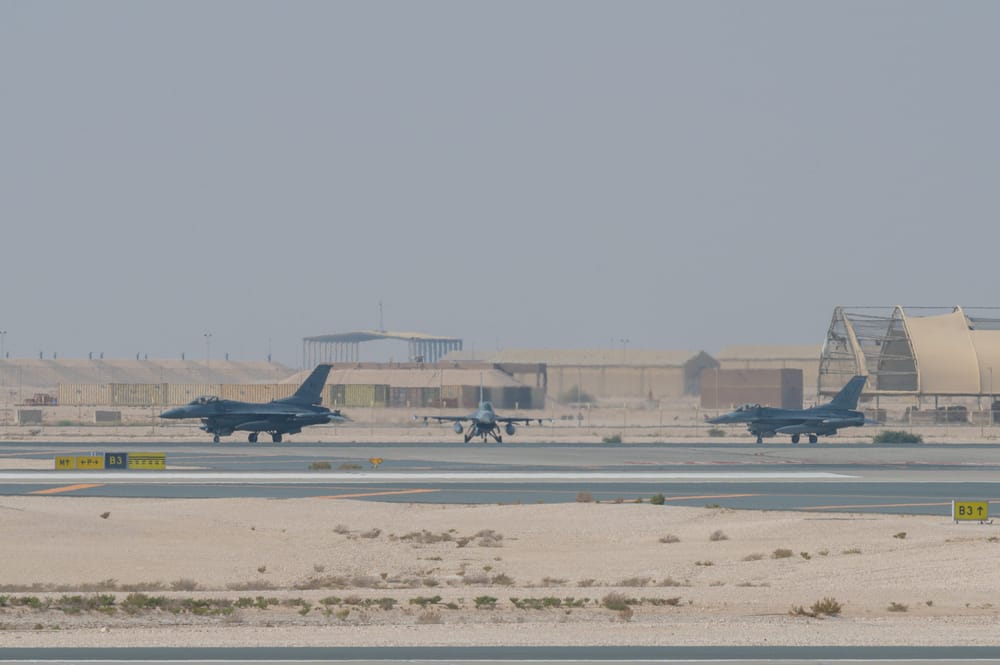
Washington’s policy options are narrow and consequential. One approach is patient pressure: intensify sanctions, choke off illicit finance, expand interdictions, and invest in economic and informational levers designed to erode the regime’s hold over time. That path minimizes immediate combat risks but is slow and can inflict hardship on ordinary Venezuelans, complicating the political case for patience. The alternative is calibrated coercion: precision strikes, special operations, and targeted campaigns intended to degrade command and control or to create bargaining leverage. Those options promise speed but carry larger risks of civilian harm, escalation, and long-term entanglement.
Domestic political constraints shape which pathways are realistically available. While parts of the president’s political coalition demand vigorous action against Maduro’s government, congressional leaders from both parties have signaled they will seek legal assurances and oversight before extending open-ended authorities. The bipartisan nature of concern about the maritime reports narrows the executive’s unilateral options and increases the political cost of any kinetic escalation. Practically speaking, that dynamic incentivizes a hybrid approach that combines stepped-up pressure with intensive diplomatic outreach designed to enlarge the coalition supporting a negotiated resolution.
Regional and diplomatic reverberations
U.S. steps on Venezuela immediately ripple across Latin America. Some neighboring governments support stronger measures to hasten democratic restoration, while others worry about refugee flows, economic contagion, and security spillovers that could destabilize the region. Regional organizations and neutral governments have called for verification and de-escalation, arguing that unilateral military measures undermine multilateral cooperation and complicate post-conflict reconstruction. External patrons that back Maduro have amplified diplomatic and informational responses, increasing the diplomatic cost of direct force.
At the same time, diplomacy retains value. Third-party mediators can offer face-saving packages, monitored transitions, and amnesty frameworks tethered to accountability mechanisms. But mediation requires credible monitoring arrangements, and allegations of unlawful strikes complicate the assembly of neutral verification teams. The United States thus faces a tradeoff between the leverage coercion creates and the legitimacy that multilateral processes provide; preserving both requires careful sequencing and the ability to demonstrate legal propriety to skeptical partners and domestic overseers.
Legal, humanitarian and political stakes
The legal stakes are profound. If oversight concludes that U.S. forces deliberately targeted individuals who were no longer participating in hostilities, the consequences could include criminal investigations, career-ending repercussions for senior officials, and legislative restrictions on future operations. Such outcomes would curtail the executive’s strategic options in the region and produce long-term reputational costs for U.S. leadership. The prospect of legal liability and constrained authorities is now part of the calculus inside the White House and the Pentagon.
Humanitarian concerns reinforce political caution. An escalation that damages ports, energy infrastructure, or transport arteries would immediately affect civilian life and likely produce waves of displacement, stretching regional shelters and assistance systems. Humanitarian agencies warn that constrained access and active hostilities make aid delivery perilous and that any coercive plan must incorporate credible protections for vulnerable populations. Those needs push many policymakers toward measured strategies that combine economic pressure with diplomatic channels and verified safeguards for civilians.
What to watch next
The immediate questions are clear. First, congressional oversight: whether the Pentagon and the White House provide classified briefings and credible, verifiable evidence that clarify command decisions and targeting rationale will determine political space for further action. Second, signals from Caracas: credible defections or fractures within the security apparatus would reopen bargaining space for a negotiated transfer; absent such signs, pressure must rely on durability and attrition. Third, regional alignment: neighbors and international institutions must be persuaded that any U.S. course preserves legal and humanitarian norms, or else multilateral support will fray.
If the administration can marshal a transparent legal account and verifiable evidence that interdictions targeted imminent threats, domestic political headwinds may abate and diplomatic options will remain viable. If oversight finds otherwise, Congress could impose constraints that materially limit executive action and shift policy toward sanctions and multilateral diplomacy. For now, the Venezuela episode is a test of whether strategic aims can be reconciled with legal accountability and domestic legitimacy. A challenge that will play out in courtrooms, congressional hearing rooms, and diplomatic back channels in the days ahead.
Written by Nick Ravenshade for NENC Media Group, original article and analysis.
Sources: Reuters, The Guardian, Al Jazeera, Washington Post, CBS News, The Guardian live coverage.
Author
Nick Ravenshade, LL.B., covers geopolitics, financial markets, and international security through primary documents, official filings, and open-source intelligence. Founder and Editor-in-Chief of NENC Media Group and WarCommons.
Sign up for NENC Now newsletters.
Stay up to date with curated collection of our top stories.