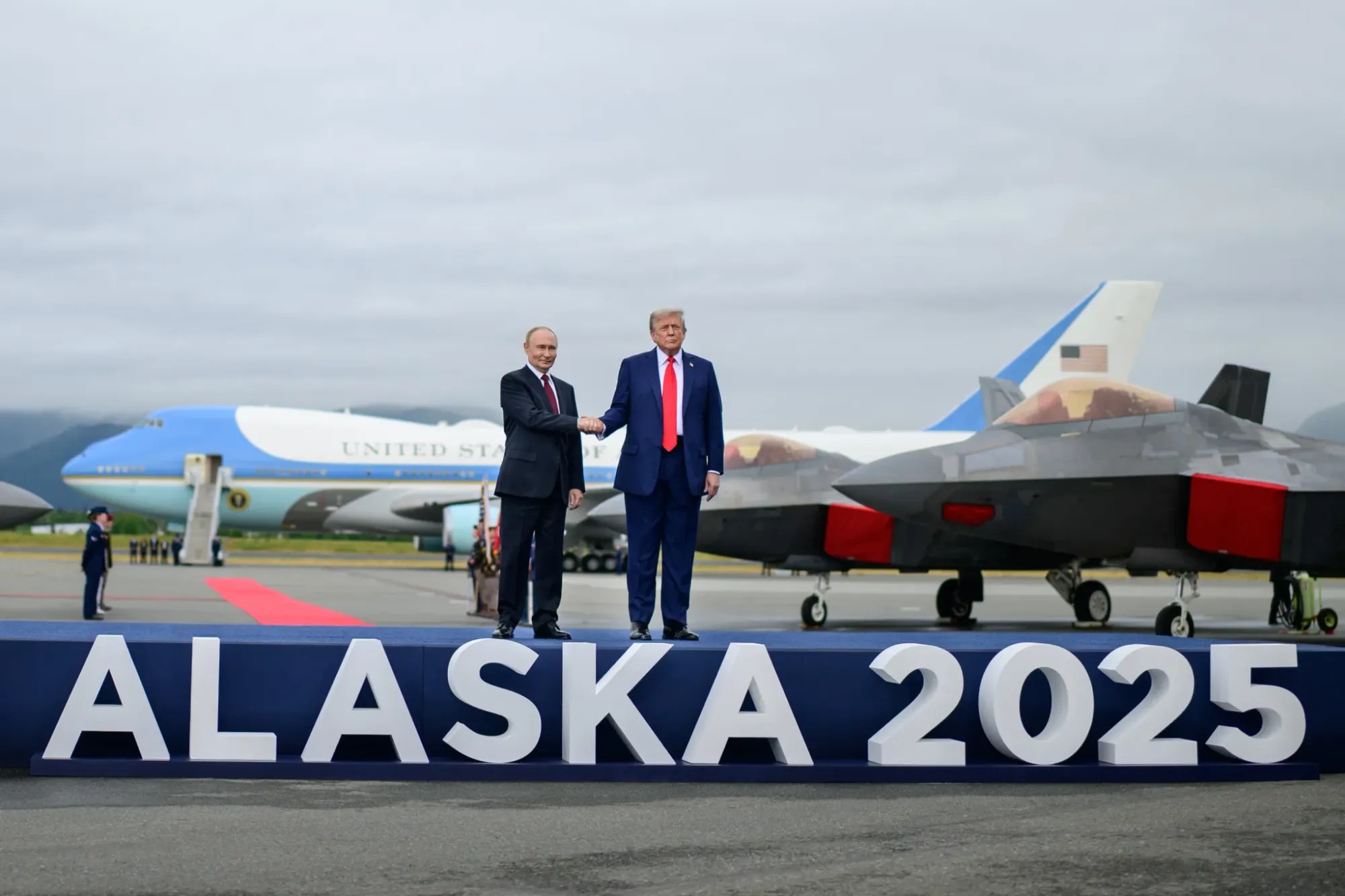
Kyiv — Reports that the United States and Russia have quietly crafted a detailed 28-point peace proposal for Ukraine have thrust Kyiv into a fresh crisis, prompting frantic diplomatic outreach, political turbulence and alarm among Western allies who say any settlement must include Ukraine at the table. The plan, first disclosed in multiple news reports this week, apparently outlines major concessions Moscow demands and was reportedly developed with U.S. input. Ukrainian leaders rejected elements described in the drafts as tantamount to capitulation, while European capitals called for full Ukrainian involvement in any negotiations that affect its territory and sovereignty.
The emergence of the reported framework intensified pressure on President Volodymyr Zelenskyy and Ukraine’s government already coping with an active battlefield and domestic political strains. Ukrainian officials said they were blindsided by the disclosures and were working to clarify Washington’s position, even as senior U.S. military figures traveled to Kyiv on a fact-finding mission to meet with Ukrainian counterparts. The episode has exposed fissures between Kyiv, its Western backers and Washington, complicating the diplomatic architecture that has sustained Ukraine’s resistance since the full-scale invasion began.
Stakes and substance of the reported proposal
According to accounts circulating in Western media, the draft plan seeks to freeze large parts of the front line, recognize Russian control of some territories seized since 2014 and impose limits on certain classes of Ukrainian weaponry and force structure. Proponents of a negotiated settlement argue such terms could end a grinding conflict that has exacted immense human and economic costs and could secure binding security guarantees for Ukraine backed by international guarantors. Skeptics warn that any deal mirroring Russia’s maximalist demands would reward aggression, undermine Ukrainian sovereignty and embolden further territorial revisionism.
For Kyiv the stakes are existential. Ukrainian leaders and many citizens view the sovereignty and territorial integrity of the state as nonnegotiable, and public sentiment remains staunchly opposed to concessions perceived as forcing the country to cede land or cripple its defensive capacity. President Zelenskyy has navigated a delicate balance: sustaining domestic morale and resistance while managing relationships with allies whose strategic priorities and political calculations sometimes diverge. The reported U.S. role in drafting a plan without Ukraine’s early participation has therefore been received as an affront by many Ukrainian officials and civil society leaders.
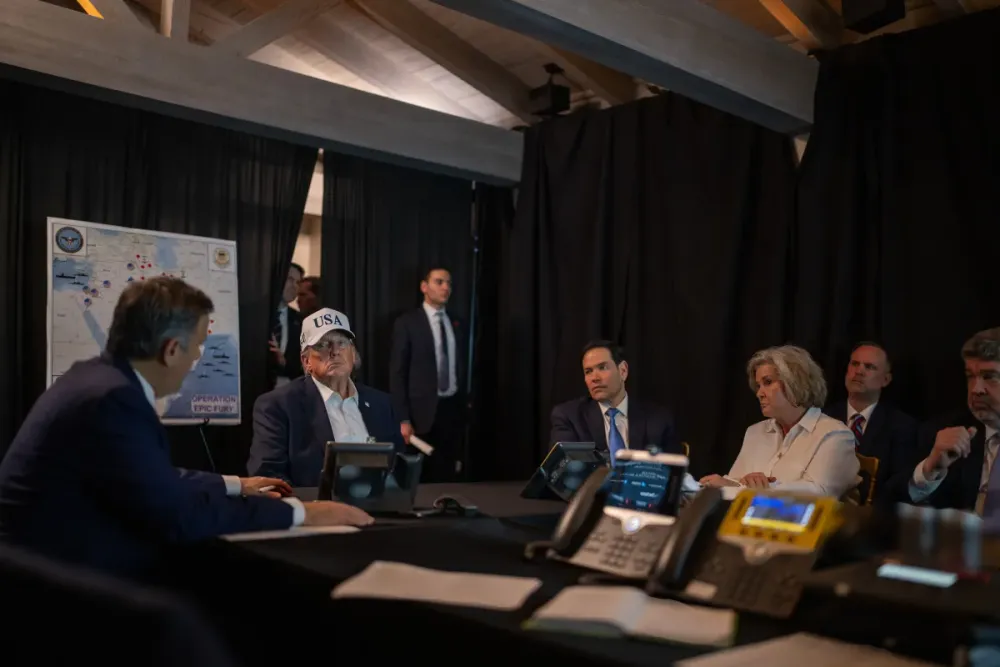
Washington, according to officials briefed on the matter, sees an urgent imperative to explore pathways that could halt the fighting and reduce the risk of wider escalation, particularly given concerns about protracted attritional warfare and the humanitarian toll. The Biden and subsequent administrations have long navigated competing pressures: sustain robust support for Kyiv to deter Russian aggression, while simultaneously pursuing diplomatic avenues that might bring an end to hostilities. The current reports suggest a renewed U.S. effort to craft a framework that could be acceptable to Moscow, with the hope that Ukrainian acceptance would follow after intensive negotiation and security assurances.
Diplomatic fallout and allied reactions
European and NATO allies reacted with alarm and demanded transparency and consultation. Leaders in Brussels and capitals across the continent stressed that any peace process must be led by Ukraine and that no agreement affecting Kyiv’s borders or defense posture should be brokered without Kyiv’s explicit consent. Several foreign ministers and ambassadors warned that sidelining Ukraine would jeopardize allied solidarity and could erode public support for continued assistance.
The diplomatic ripple effects extended to parliamentary and public debates in donor countries. Lawmakers in several European states said they would scrutinize any U.S.-led initiative for indications that it dilutes commitments to Ukrainian sovereignty or imposes untenable conditions. Civil society groups and veteran organizations mobilized statements and, in some cases, public protests calling on governments to reaffirm support for Ukraine’s full territorial integrity.
Moscow’s posture has been opportunistic. Russian officials publicly embraced reports of a draft that allegedly aligns with many of their demands while portraying themselves as willing to negotiate. That messaging aims to normalize territorial gains achieved through force and to shift the burden of responsibility for future settlement terms onto Kyiv and its Western backers. Russia’s strategy appears designed to extract political legitimacy for battlefield gains while minimizing the concessions it might have to make.
Kyiv’s internal strain and political calculations
Domestically the controversy sharpened fault lines inside Ukraine’s governing coalition and raised questions about leadership resilience amid a prolonged war. Opposition figures and critics accused the government of both strategic missteps and insufficient transparency in managing international diplomacy. For Zelenskyy, the imperative has been to demonstrate that Ukraine will not be coerced into a deal that undermines its sovereignty while keeping open channels to allies who wield leverage over both economic assistance and military supplies.
Military leaders in Kyiv stressed that ceding substantial territory or agreeing to severe limits on force capabilities would leave Ukraine vulnerable and unable to guarantee the safety of its population. At the same time, officials acknowledged the heavy toll of war and the economic strain that has forced painful sacrifices in public services and reconstruction programs. Ukrainian diplomats intensified outreach to reassure partners that Kyiv remains committed to defend its territorial integrity while remaining open to negotiated solutions that preserve core state prerogatives.
The political calculus extends to timing. Ukrainian authorities worry that exposure to piecemeal proposals or leaked drafts could sap public resolve and embolden Kremlin hardliners. They also fear that negotiated pauses lacking credible security implementations could be exploited by Russia to consolidate positions and prepare for renewed offensives. As a result, Kyiv has insisted that any credible process must include detailed enforcement mechanisms, international guarantors with clear capacity to act and mechanisms for the phased return of territory only under internationally monitored conditions.
What comes next and the paths forward
In the near term, several vectors will determine whether reported plans evolve into a diplomatic process or fall apart amid controversy. First, direct consultations between Kyiv and Washington are imperative to reestablish trust and to align objectives. Ukrainian officials have demanded formal engagement that places Kyiv at the center of any negotiation architecture. Second, allied coordination in Europe and NATO will be essential to present a unified approach that balances pressure on Russia with assurances to Ukraine. Fragmentation among allies could weaken leverage and jeopardize the effectiveness of any enforcement measures.
Third, a credible peace architecture would require robust monitoring and enforcement mechanisms, potentially involving international peacekeepers or a coalition with clear mandates to oversee ceasefire compliance and buffer zones. Establishing such mechanisms would be politically fraught and operationally complex, but without enforceability any agreement risks becoming another temporary lull exploited by belligerents.
Finally, domestic politics in the United States and Russia will shape the options available. Congressional perspectives in Washington matter for the scope of diplomatic flexibility the U.S. executive can exercise, and Russian internal politics affect how far Kremlin negotiators are empowered to compromise. Public opinion in all three countries also exerts influence: sustained domestic pressure for a negotiated end may push leaders toward compromise, while electorally sensitive politics can harden positions.
The circulation of reports that the United States and Russia have drafted a detailed peace proposal for Ukraine has produced a diplomatic convulsion that underlines the difficulty of ending a high-stakes war without the full participation and consent of the country most affected. Kyiv faces an acute political test: rebuffing terms it deems unacceptable while maintaining the international unity needed to eventually secure a settlement that preserves its sovereignty. For allies, the episode is a reminder that any lasting peace requires Ukrainian ownership, enforceable guarantees and a carefully choreographed diplomatic process rather than backroom blueprints that risk alienating the very partner the process aims to protect.
Written by Nick Ravenshade for NENC Media Group, original article and analysis.
Sources: Axios, Financial Times, Al Jazeera, Associated Press, Reuters.
Photo: The White House, Public Domain, via The White House
Author

Nick Ravenshade, LL.B., covers geopolitics, financial markets, and international security through primary documents, official filings, and open-source intelligence. Founder and Editor-in-Chief of NENC Media Group and WarCommons.
Sign up for NENC Now newsletters.
Stay up to date with curated collection of our top stories.