WASHINGTON — U.S. forces seized a large oil tanker off the coast of Venezuela on 10 December 2025, an operation announced publicly by the U.S. president that has sharply escalated tensions with Caracas, prompted immediate diplomatic protest, and raised complex legal and logistical questions about custody of the vessel and its cargo. The interdiction occurred amid a months-long U.S. pressure campaign against the Venezuelan government and a significant U.S. military presence in the region. Officials and analysts say the move signals a new phase of coercive economic measures, but key operational details remain contested or unverified as of the accuracy date.
The operation and immediate reactions
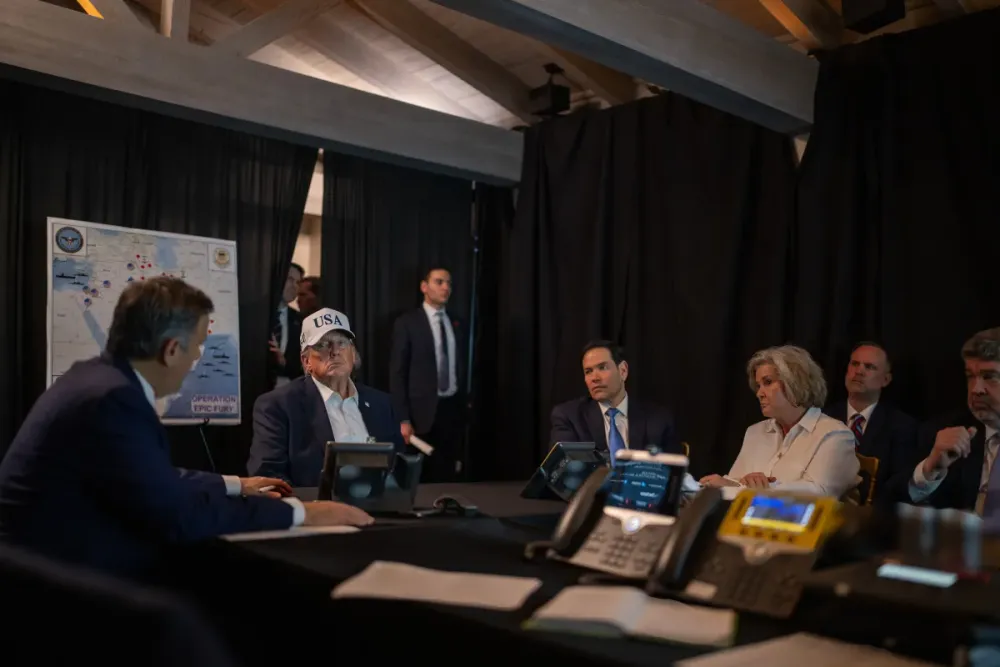
U.S. authorities announced the seizure at a White House event where senior officials described the action as part of an effort to enforce sanctions and disrupt illicit oil shipments. The announcement prompted an immediate and forceful response from the Venezuelan government, which denounced the seizure as unlawful and vowed to pursue diplomatic and legal remedies. International markets reacted quickly, with benchmark oil prices rising on the news as traders reassessed supply risks and geopolitical premiums.
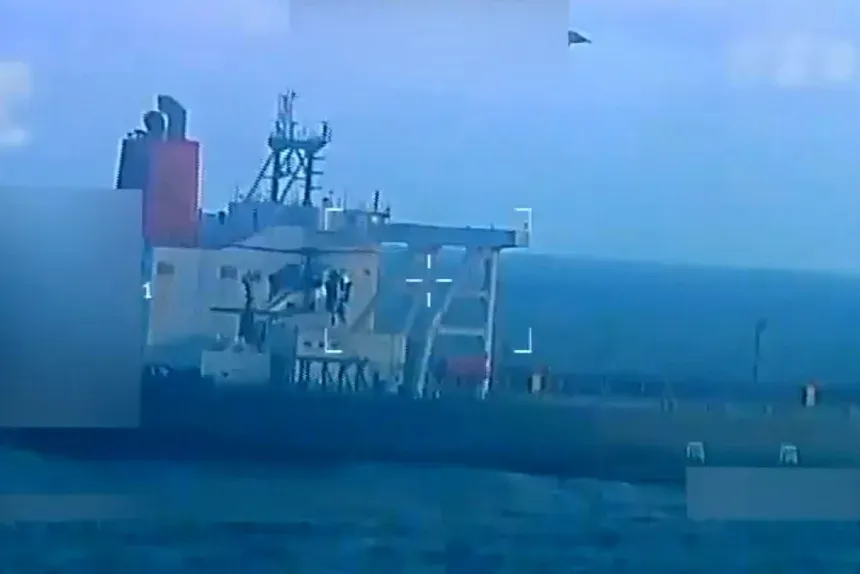
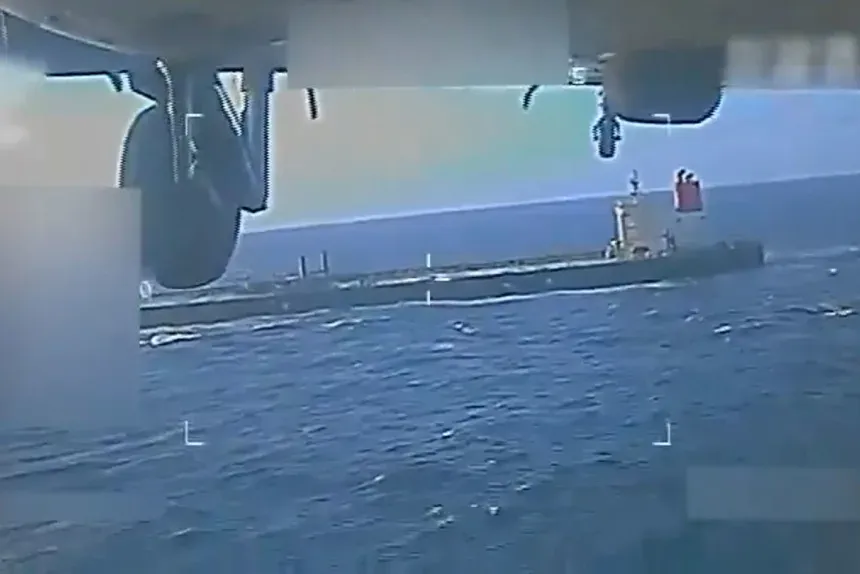
On the ground, the operational picture is partially opaque. U.S. officials described the interdiction as a maritime operation that involved boarding and securing the vessel, but public accounts differ on which U.S. agency led the action and on the precise location of the interdiction. Some reports attribute the operation to maritime law enforcement units; others describe a joint military-law enforcement effort. Where official documents or on-the-record statements are not yet available, those operational details are treated as provisional and were based on anonymous accounts.
Legal basis and international law questions
The seizure raises immediate legal questions under international maritime law, sanctions regimes, and domestic statutes. Authorities enforcing sanctions typically rely on a combination of executive orders, statutory authorities, and maritime interdiction agreements; the legal justification for boarding and seizing a foreign-flagged vessel on the high seas or within another state's territorial waters depends on the facts of location, flag state consent, and the vessel's conduct. If the interdiction occurred in international waters and the vessel was subject to U.S. sanctions, enforcement actions may be defensible under domestic law, but they can still provoke claims of illegality from the vessel's flag state or cargo owner.
Diplomatic fallout is likely to hinge on whether the seizure can be shown to comply with established legal procedures and whether the United States can produce clear evidence linking the vessel or its cargo to sanctionable activity. The absence of a public, detailed legal memorandum or court filing at the time of the announcement leaves room for contested narratives and for adversaries to frame the action as unlawful appropriation. That ambiguity increases the risk of reciprocal measures or legal challenges in international fora.
Chain of custody, cargo disposition and commercial implications
Beyond legal justification, practical questions about custody and disposition of the oil are pressing. Authorities must account for the vessel, its crew, and the cargo; determine whether to detain the ship, transfer it to a port, or escort it to a jurisdiction where forfeiture proceedings can be pursued; and decide how to store or sell any seized crude. Those decisions carry commercial and logistical costs and require coordination among law enforcement, judicial authorities, and commercial stakeholders.
The seizure also has implications for global oil markets and for companies that insure and finance maritime shipments. Insurers and charterers will reassess risk models for voyages in the region, potentially increasing premiums or rerouting shipments. Buyers who rely on Venezuelan crude through intermediaries may face supply disruptions or legal exposure if they are found to have handled sanctioned cargo. The commercial ripple effects could extend to refining schedules and regional fuel markets, depending on the volume of oil aboard the interdicted vessel and the speed with which authorities resolve custody.
Geopolitical and strategic consequences
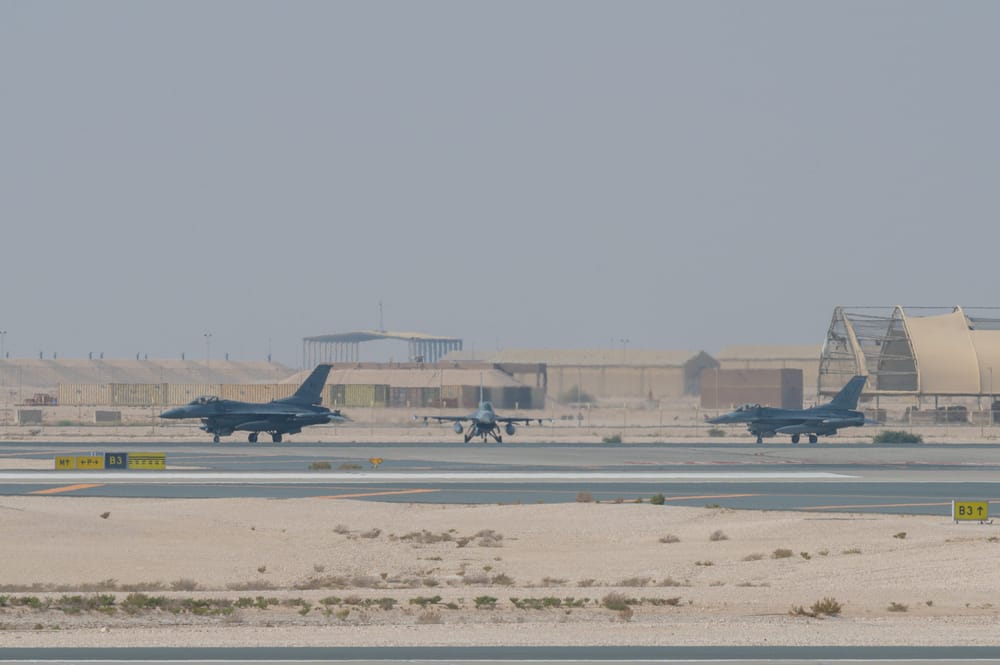
Strategically, the interdiction is a clear escalation in a broader campaign of pressure. It signals that economic coercion will be paired with maritime enforcement actions, and it tests the willingness of other states to tolerate aggressive enforcement near Venezuela. The move may complicate relations with countries that import Venezuelan oil or that have maritime interests in the Caribbean and Atlantic approaches. It also raises the prospect of tit-for-tat measures, including legal actions, diplomatic expulsions, or economic countermeasures.
For the United States, the operation presents a trade-off between immediate pressure on the Venezuelan government and the risk of broader regional destabilization. Allies and partners will watch how the U.S. handles the legal aftermath and whether it can present a transparent evidentiary case that justifies the seizure. The credibility of U.S. sanctions enforcement depends in part on adherence to legal norms and on the ability to demonstrate that actions are targeted and proportionate.
Verification gaps and what remains unconfirmed
Several operational and factual elements remain unverified as of the accuracy date. The identity of the tanker, its flag state, and its declared destination have been reported in some outlets but lack confirmation from primary maritime registries or official court filings. Reports that a specific U.S. agency led the interdiction are based on anonymous accounts and have not been confirmed by an official public release. Direct quotes attributed to senior officials at the White House event are widely reported but, in the absence of an official transcript or posting of remarks, any verbatim citation should be treated cautiously.
Editors and policymakers should expect additional primary documents to appear in the coming days: maritime interdiction reports, court filings seeking forfeiture, or formal statements from enforcement agencies. Those documents will be essential to move from provisional reporting to a fully verified account of legal authority, chain of custody, and the operational chain that led to the seizure.
Next steps and policy choices
The immediate next steps will determine whether the seizure becomes a contained enforcement action or a catalyst for broader confrontation. Key indicators include the filing of forfeiture or criminal charges in a U.S. court, the publication of an official operational report, diplomatic démarches from affected states, and any retaliatory measures by the Venezuelan government. Rapid, transparent legal filings would strengthen the U.S. position by providing a public record of the evidence and legal basis for the action.
Policymakers must weigh the benefits of aggressive enforcement against the diplomatic and commercial costs. If the United States seeks to maintain international support for sanctions, it will need to demonstrate legal rigor and to engage partners to mitigate market disruption. If it prioritizes immediate pressure, it risks alienating potential mediators and provoking legal challenges that could complicate long-term objectives.
Written by Nick Ravenshade for NENC Media Group, original article and analysis.
Sources: Reuters, CNBC, Politico, Al Jazeera, The Guardian.
Author

Nick Ravenshade, LL.B., covers geopolitics, financial markets, and international security through primary documents, official filings, and open-source intelligence. Founder and Editor-in-Chief of NENC Media Group and WarCommons.
Sign up for NENC Now newsletters.
Stay up to date with curated collection of our top stories.