U.S.-Israeli Strikes Confirmed to Have Killed IRGC Commander Mohammad Pakpour and Defense Council Head Ali Shamkhani, Iran State Media Reports
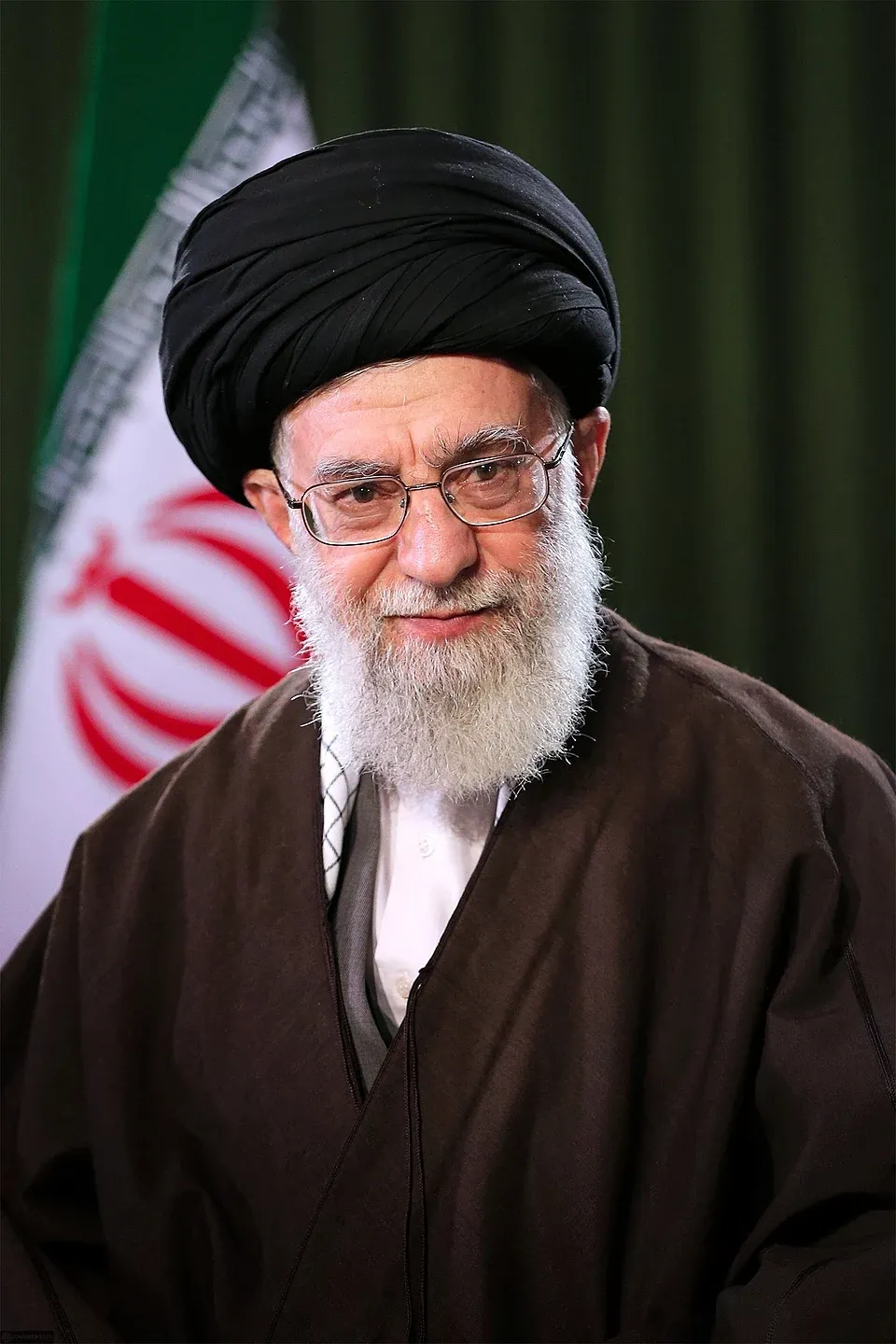
TEHRAN — Iran's official state news agency confirmed on Sunday that Maj. Gen. Mohammad Pakpour, the commander-in-chief of the Islamic Revolutionary Guard Corps, and Ali Shamkhani, the secretary of Iran's Defense Council and a long-standing senior figure within the country's security establishment, were killed in the American-Israeli strikes that began on Saturday. The confirmation, carried by the Islamic Republic News Agency and corroborated by the Israel Defense Forces, marks the first official acknowledgment from Tehran of the loss of two of its most consequential military leaders in a single operation.
Who Pakpour Was and What His Death Means for IRGC Command
Pakpour assumed command of the IRGC on 13 June 2025, following the death of his predecessor, Hossein Salami, in Israeli strikes during last year's 12-day conflict. He served in that position for approximately 260 days before being killed Saturday. In that role, he held operational authority over an organisation that functions simultaneously as an elite military force, an intelligence apparatus, an economic power inside Iran, and the primary instrument of the regime's regional proxy strategy.
His appointment had been a direct response to command attrition. Promoted to the rank of major general by the Supreme Leader and directed specifically to restore internal cohesion and readiness within the corps, Pakpour had publicly warned as recently as last month that the IRGC stood "more ready than ever" with its "finger on the trigger." The gap between that statement and his death in coordinated strikes reflects the scale and speed of the operational blow the organisation has now absorbed across two consecutive major conflicts. The IDF separately confirmed, in a broader statement, that it assessed seven senior Iranian security officials had been killed in the operation, including Pakpour, identifying him by name alongside Shamkhani and Defense Minister Aziz Nasirzadeh.
Shamkhani's Death Removes a Rare Negotiating Interlocutor
Shamkhani occupied a different but equally critical position within the Iranian system. As secretary of the Defense Council, he served as one of the primary advisers coordinating security policy between the armed forces, the IRGC, and the Supreme Leader's office. His career spanned decades of service in senior military and ministerial roles, including as minister of defense from 1997 to 2005 and as an IRGC naval commander during the Iran-Iraq War. He had also been targeted, though not killed, during the June 2025 conflict.
What makes Shamkhani's death strategically significant is not only his institutional role but his position on the diplomatic track. Just 24 hours before the strikes began, Shamkhani had made a rare public statement indicating that a deal over Iran's nuclear program was "within reach" if the core issue was genuinely confined to preventing weapons development. He stated that such a goal "is in compliance with a religious decree issued by Iran's leader and the country's defence doctrine." His death eliminates a figure who had both the access and the apparent mandate to signal Iran's negotiating posture, and it does so at a moment when that channel had just produced its most forward-leaning statement in years. That combination of timing and function makes his loss particularly disruptive to any near-term pathway toward de-escalation.
Operational Context: Simultaneous Targeting of Multiple Leadership Nodes
The IDF's characterisation of the operation provides important structural insight into how the strikes were designed. An Israeli military official stated that three sites hosting gatherings of senior Iranian officials were struck simultaneously, and that the operation was the product of months of planning. The simultaneous nature of the targeting was not incidental: it was designed to prevent officials from dispersing once the first strike was detected, and to degrade command continuity across multiple nodes at once. The description suggests intelligence penetration of Iranian scheduling and movement patterns at a significant depth.
Iran's own confirmation of the losses, however measured in its public framing, is notable. Foreign Minister Abbas Araghchi acknowledged casualties among senior figures but attempted to minimise their significance, characterising the losses as "not such a big problem." That framing is likely intended for domestic and regional audiences as much as external ones, signalling that the state apparatus retains the capacity to absorb command losses and continue functioning. The IRGC itself issued a statement promising that retaliatory operations would "continue relentlessly." Whether the organisation retains the command architecture to execute that pledge at scale, given the confirmed loss of its commander and the reported deaths of additional senior figures, is now one of the central operational questions the conflict has produced. The deaths of Pakpour and Shamkhani, confirmed by state media on 1 March 2026, represent the most senior leadership losses Iran has publicly acknowledged since the current campaign began.
Written by Nick Ravenshade for NENC Media Group, original article and analysis.
Author

Nick Ravenshade, LL.B., covers geopolitics, financial markets, and international security through primary documents, official filings, and open-source intelligence. Founder and Editor-in-Chief of NENC Media Group and WarCommons.
Sign up for NENC Now newsletters.
Stay up to date with curated collection of our top stories.